

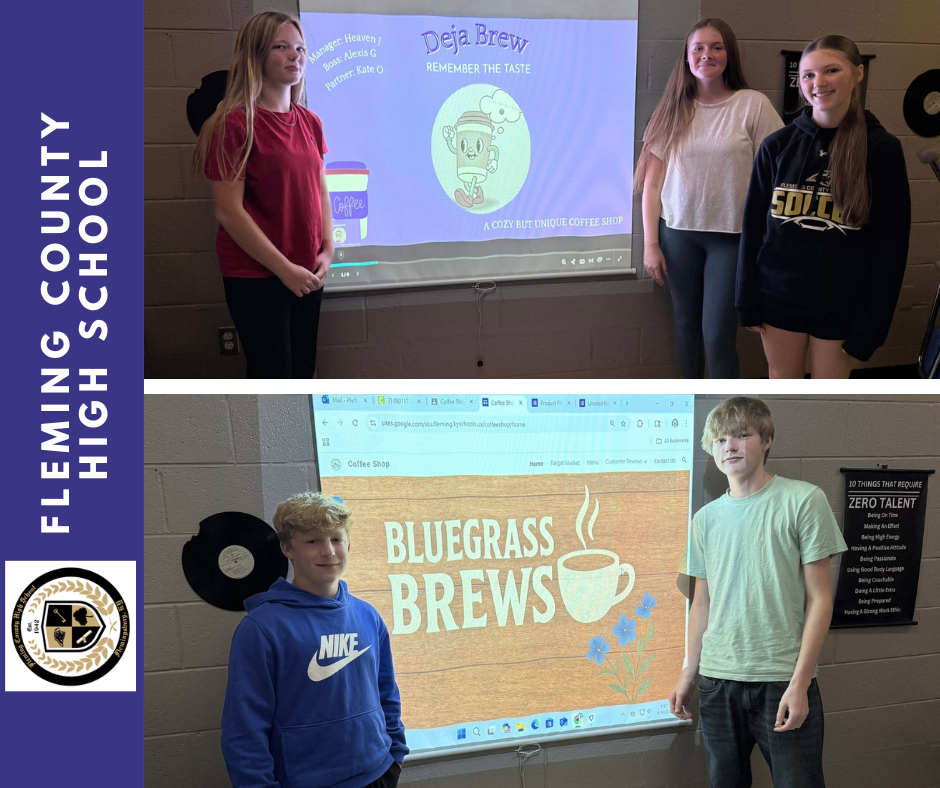
The Prichard Committee's newest work on the Meaningful Diploma lifts up a challenge many districts feel: seniors often spend their final year in courses that feel disconnected from the futures they're stepping into. Fleming County High School saw that firsthand. Many seniors—especially those heading straight into work or technical programs—were sitting in traditional English classes that didn't match their goals, while their CTE pathways were buzzing with real-world learning, certifications, and purpose. That tension sparked a simple but powerful question: What if senior English lived where students already felt meaning? Fleming County's answer: allow seniors to earn their English credit inside their CTE pathway, where reading, writing, and communication flow from the authentic work they're already doing. The results are alive in classrooms. Instead of Beowulf, welding students analyze OSHA manuals tied directly to the safety skills they're building in the shop. Early childhood students write narratives grounded in their fieldwork with local preschoolers. Ag seniors craft informational pieces connected to the certifications they're earning. Family & Consumer Sciences students develop business concepts from the ground up: researching requirements, outlining processes, and writing the accompanying plans. It's still English—every priority standard intact—but suddenly relevant, embodied, and connected to a future students can see. CTE teachers teach English 12 themselves, using Schools PLP as the spine and collaborating with ELA colleagues to ensure rigor stays high—an approach that shows how staffing, standards, and pathways can work together instead of competing for time. The benefits are already visible: stronger writing across the building, clearer purpose for seniors, and a staff that sees itself less as “departments” and more as a unified team designing for student futures. Fleming County is illustrating how aligned, purposeful design of the student experience can strengthen both engagement and the quality of student work.
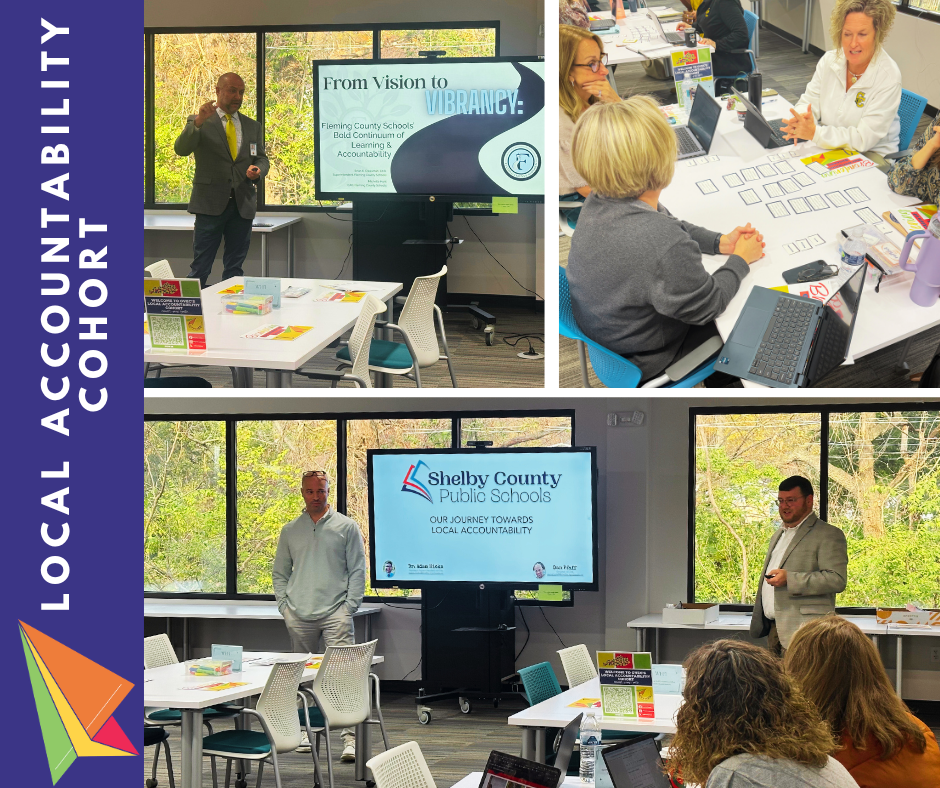
Discover how Kentucky districts are leading the charge in local accountability — real stories from Fleming and Shelby Counties, a practical Alumni + Employer Roundtable tool, and your Fall Learning Flight Plan to design learner-centered Defenses of Learning.
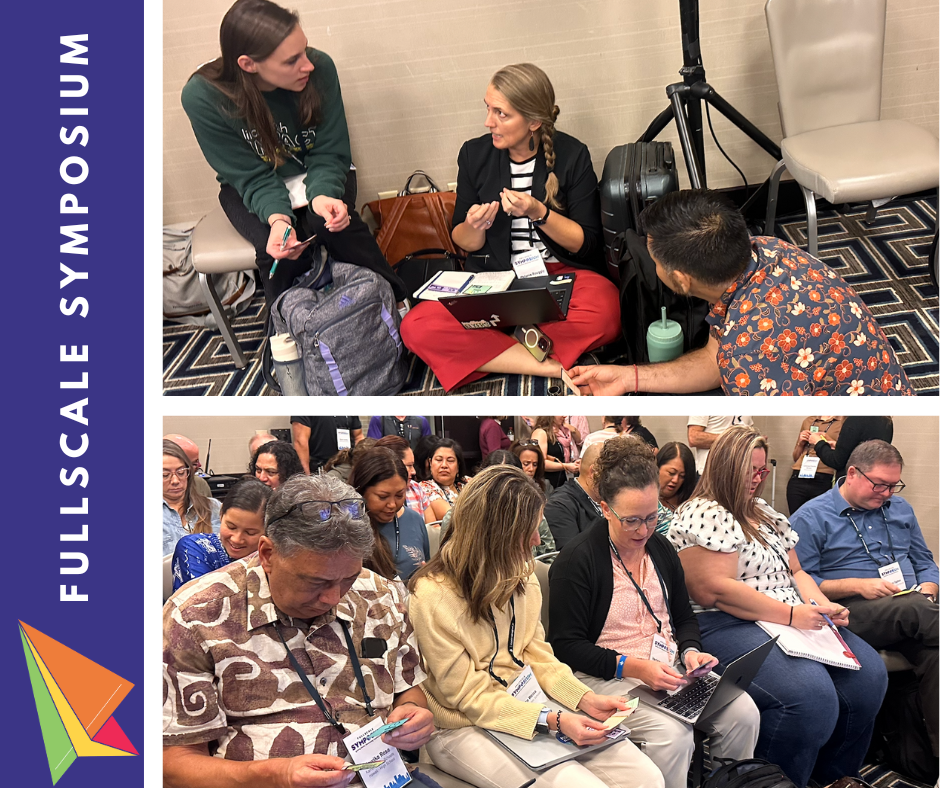
Join us as we explore how to redesign the school master schedule by identifying the low-risk, high-reward ‘edges’ where meaningful change can begin. Download the practical ‘Pushing the Edges’ protocol and take your next step toward a more learner-centered experience.
The Prichard Committee's newest work on the Meaningful Diploma lifts up a challenge many districts feel: seniors often spend their final year in courses that feel disconnected from the futures they're stepping into. Fleming County High School saw that firsthand. Many seniors—especially those heading straight into work or technical programs—were sitting in traditional English classes that didn't match their goals, while their CTE pathways were buzzing with real-world learning, certifications, and purpose. That tension sparked a simple but powerful question: What if senior English lived where students already felt meaning? Fleming County's answer: allow seniors to earn their English credit inside their CTE pathway, where reading, writing, and communication flow from the authentic work they're already doing. The results are alive in classrooms. Instead of Beowulf, welding students analyze OSHA manuals tied directly to the safety skills they're building in the shop. Early childhood students write narratives grounded in their fieldwork with local preschoolers. Ag seniors craft informational pieces connected to the certifications they're earning. Family & Consumer Sciences students develop business concepts from the ground up: researching requirements, outlining processes, and writing the accompanying plans. It's still English—every priority standard intact—but suddenly relevant, embodied, and connected to a future students can see. CTE teachers teach English 12 themselves, using Schools PLP as the spine and collaborating with ELA colleagues to ensure rigor stays high—an approach that shows how staffing, standards, and pathways can work together instead of competing for time. The benefits are already visible: stronger writing across the building, clearer purpose for seniors, and a staff that sees itself less as “departments” and more as a unified team designing for student futures. Fleming County is illustrating how aligned, purposeful design of the student experience can strengthen both engagement and the quality of student work.
Discover how Kentucky districts are leading the charge in local accountability — real stories from Fleming and Shelby Counties, a practical Alumni + Employer Roundtable tool, and your Fall Learning Flight Plan to design learner-centered Defenses of Learning.
Join us as we explore how to redesign the school master schedule by identifying the low-risk, high-reward ‘edges’ where meaningful change can begin. Download the practical ‘Pushing the Edges’ protocol and take your next step toward a more learner-centered experience.