



Imagine a student preparing for her defense of learning. Her portfolio holds exactly what she was asked to collect: two artifacts for communication, two for collaboration, two for problem solving, two for lifelong learning. She's done everything right. But does her evidence tell a story about who she's becoming or does it just prove she met another requirement? After being part of hundreds of student defenses, we've found ourselves wondering: Have we become so focused on helping students collect evidence of competencies that we've overlooked helping them recognize the learning those experiences reveal? Consider the kinds of artifacts most often shared. Students naturally save the certificate representing the high score, the award, or a polished final product. Yet the most revealing evidence is often the prototype that failed, the feedback they resisted, or the moment they finally asked for help. The evidence that best reveals learning isn't always the evidence that best showcases success. Consider the difference between a student saying, “This project shows I'm a good collaborator,” and one explaining, “I used to think collaboration meant making sure everyone followed the plan. Now I understand the importance of listening, changing my mind, and making room for other people's ideas.” The first student has matched an artifact to a competency. The second is telling a story of learning. Helping more students get there may require rethinking not just what we collect, but how students learn to see their own growth. Read the full piece: What if the Profile is a lens, not a Filing Cabinet?
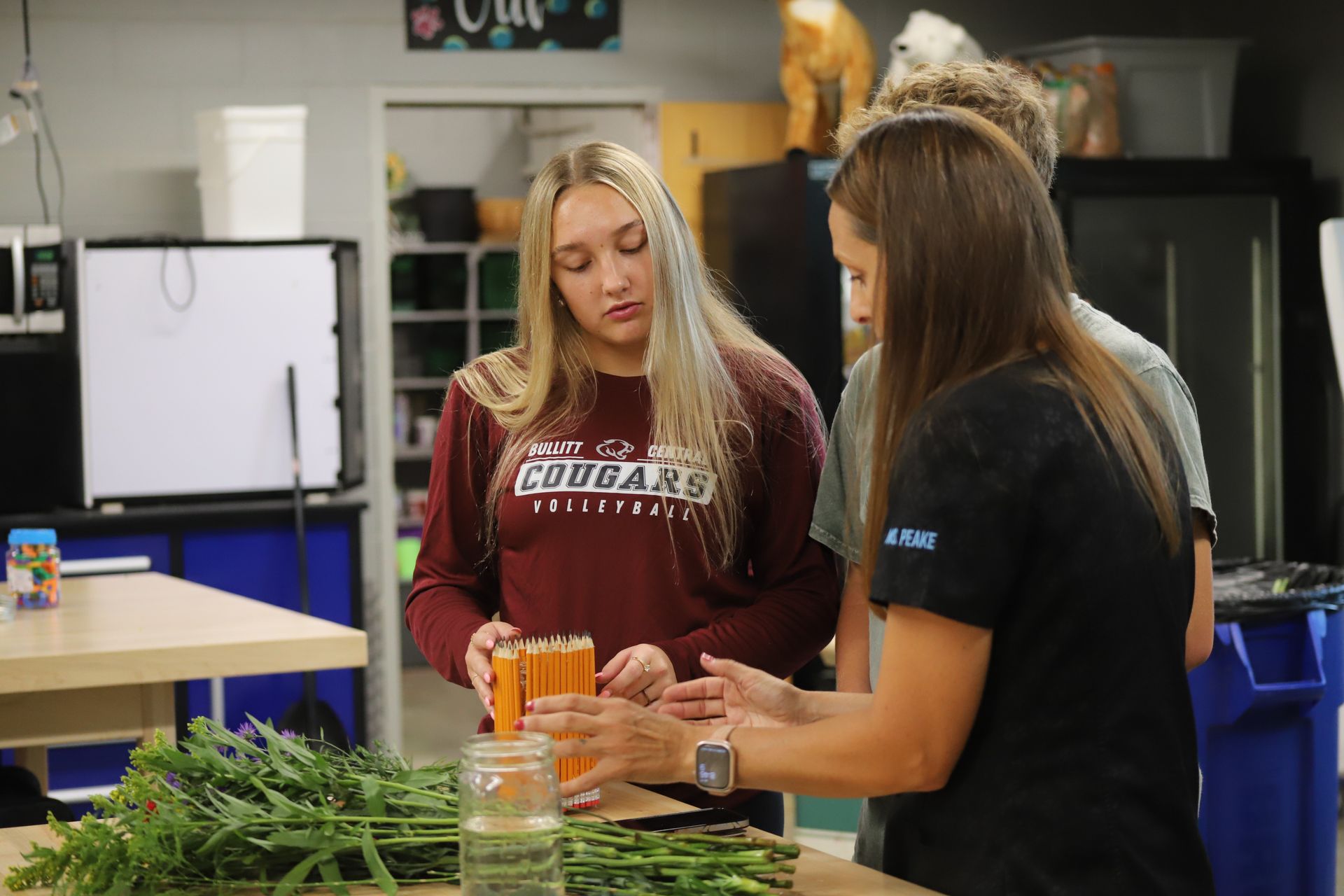
Rigor Lives in the Middle Vibrant learning isn't learning without challenge. It's learning where the challenge feels worth taking on.

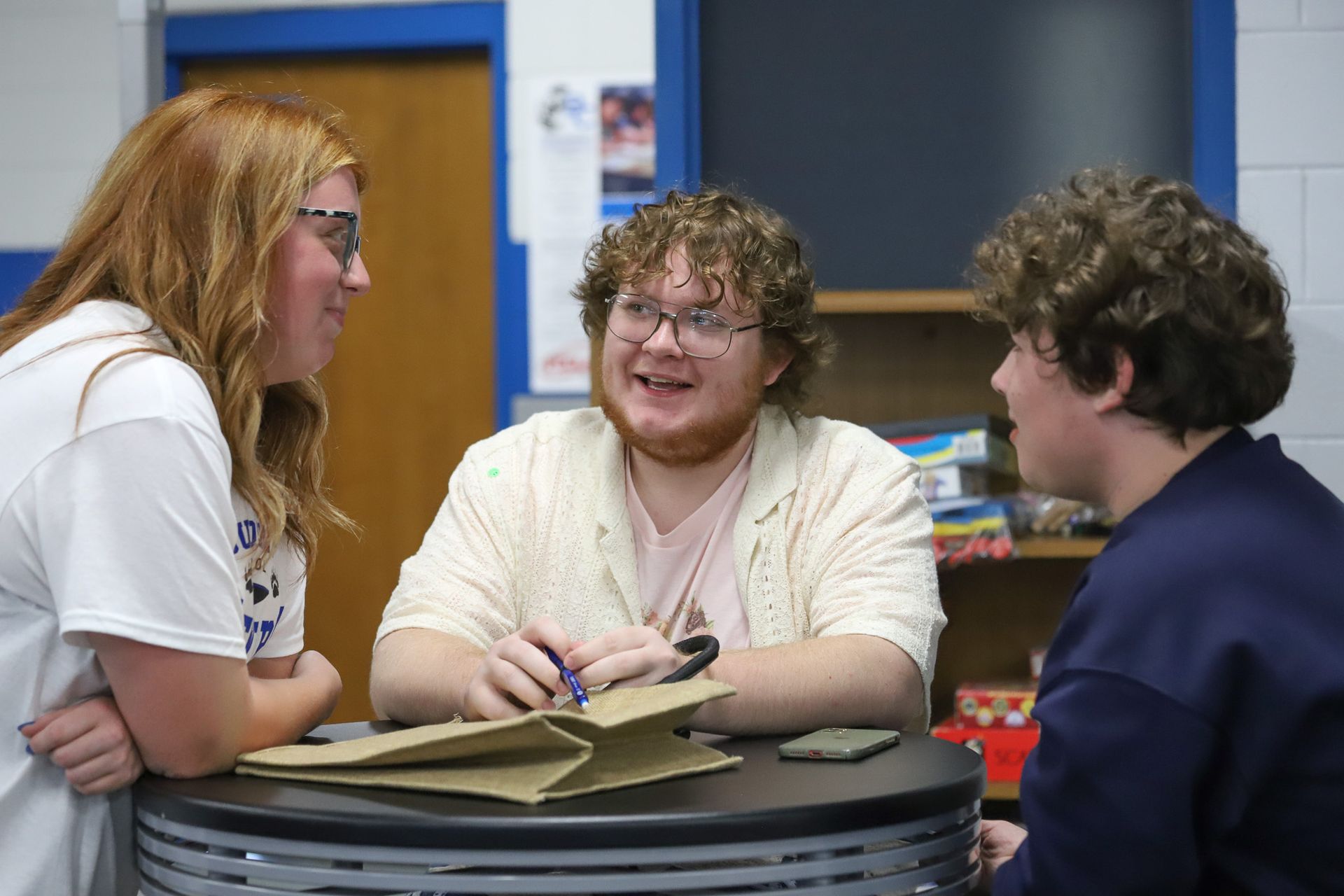
Student artifacts tell the story of learning. Discover how Defenses of Learning reveal the experiences, growth, and meaningful work students value most.
Imagine a student preparing for her defense of learning. Her portfolio holds exactly what she was asked to collect: two artifacts for communication, two for collaboration, two for problem solving, two for lifelong learning. She's done everything right. But does her evidence tell a story about who she's becoming or does it just prove she met another requirement? After being part of hundreds of student defenses, we've found ourselves wondering: Have we become so focused on helping students collect evidence of competencies that we've overlooked helping them recognize the learning those experiences reveal? Consider the kinds of artifacts most often shared. Students naturally save the certificate representing the high score, the award, or a polished final product. Yet the most revealing evidence is often the prototype that failed, the feedback they resisted, or the moment they finally asked for help. The evidence that best reveals learning isn't always the evidence that best showcases success. Consider the difference between a student saying, “This project shows I'm a good collaborator,” and one explaining, “I used to think collaboration meant making sure everyone followed the plan. Now I understand the importance of listening, changing my mind, and making room for other people's ideas.” The first student has matched an artifact to a competency. The second is telling a story of learning. Helping more students get there may require rethinking not just what we collect, but how students learn to see their own growth. Read the full piece: What if the Profile is a lens, not a Filing Cabinet?
Rigor Lives in the Middle Vibrant learning isn't learning without challenge. It's learning where the challenge feels worth taking on.
Student artifacts tell the story of learning. Discover how Defenses of Learning reveal the experiences, growth, and meaningful work students value most.