
Explore five coaching transformations that center teacher voice, strengthen reflection, and create the conditions for authentic educator growth and vibrant learning.

Student artifacts tell the story of learning. Discover how Defenses of Learning reveal the experiences, growth, and meaningful work students value most.
Discover why coherence is the leadership move that matters most and how aligned systems create clarity, reduce overwhelm, and elevate learning.
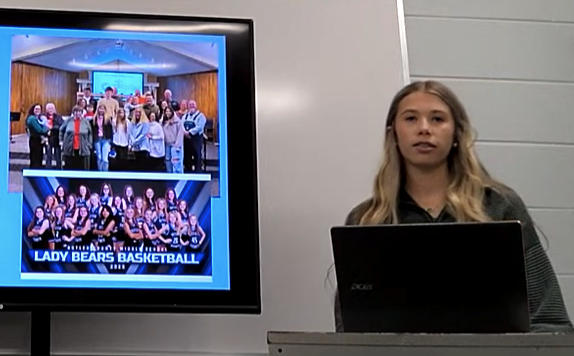
Take a closer look at Butler County Schools’ vibrant learning ecosystem, explore tensions between HQIRs and authentic learning, and access a free practical tool educators can use today.

Across the Commonwealth of Kentucky, a groundswell of change has taken root. For many districts, this transformation began with the creation of locally defined Portraits of a Learner—community-driven visions of the skills and dispositions learners need to thrive. Building on that foundation, many school districts now offer system level performance assessments, often called Defenses of Learning, at key transition points like 5th, 8th, and 12th grade—moments where learners reflect on their growth and present evidence of readiness for what’s next. These capstone moments are powerful. They shine a bright light on students’ thinking, creativity, and growth. But as more districts engage with this work, a critical question is surfacing: What if we didn’t wait until the end of the learning journey to offer students that kind of meaningful reflection and voice? Performance assessments are designed to measure not just content mastery, but students’ ability to transfer their learning to meaningful, real-world tasks that demonstrate growth in competencies like communication and critical thinking—skills we value in our Portraits of a Learner.
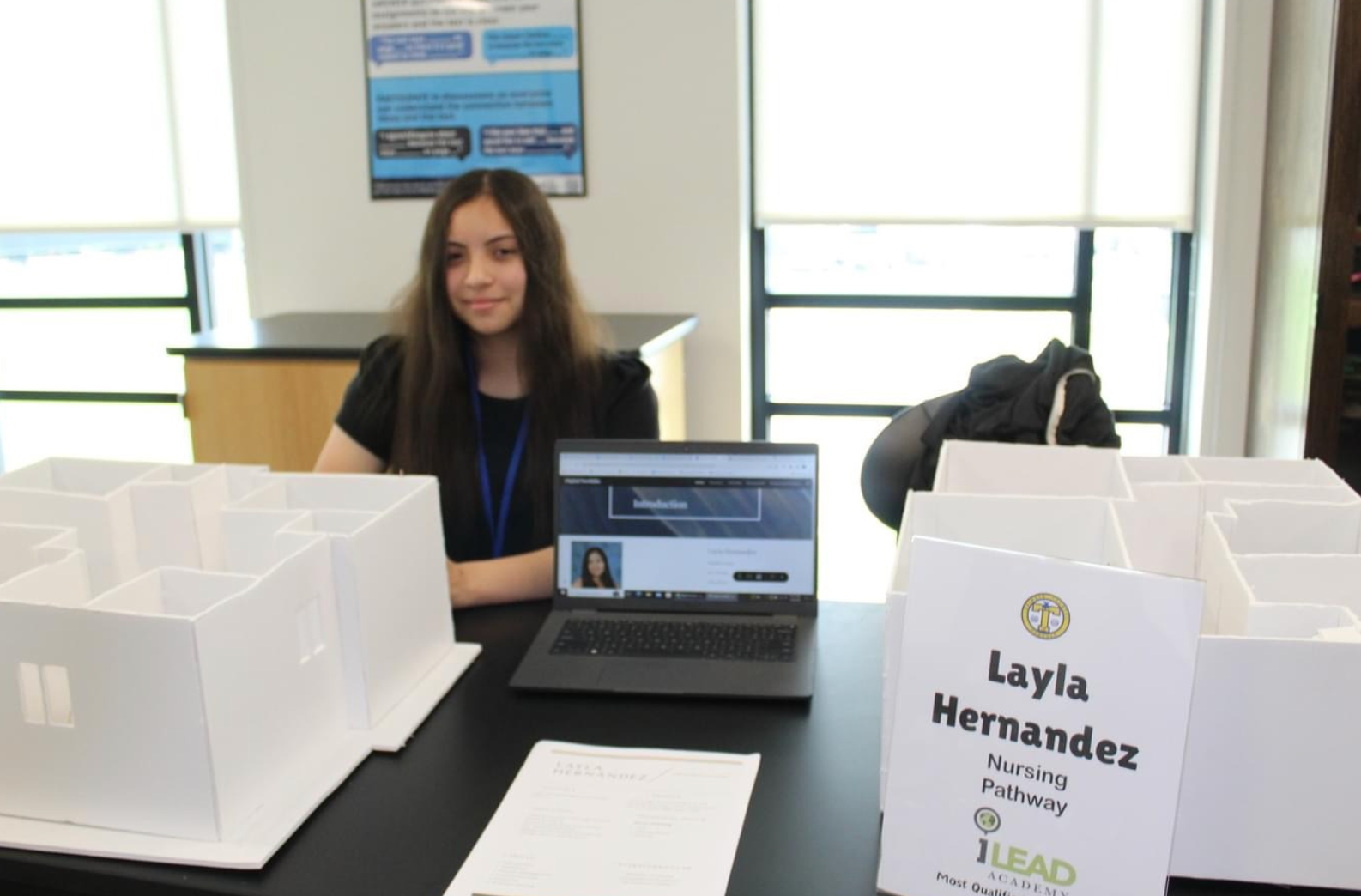
Designing meaningful, inspiring learning experiences that honor students’ personal strengths and interests while also aligning academic standards can seem overwhelming. We know an all too real barrier to providing students with authentic learning experiences that do that, like PBLs, inquiry-based learning, and performance assessments, is the sheer amount of time it takes a teacher to design. At the same time, we want students to own their learning. Our learner profiles value skills like ‘self-directed learning’, ‘setting goals’, ‘failing and trying again’, ‘designing solutions to complex problems’. So, how might we, with our limited time and resources, do both: design meaningful learning experiences AND empower students to lead and own that learning? iLEAD Academy Math teacher, Casey Duvall, has one promising solution. Throughout this year, Duvall’s students have been engaged in numerous project-based performance assessments she designed such as proposing a solution for a community health concern or designing a mini golf course. Midway through the school year, she began looking for a way to create an even more learner-led environment. She wondered, ‘What might happen if I asked students to design the performance assessment for the next unit?’ How Duvall is transforming the student experience... So she did just that. Duvall challenged students to design something that would illustrate that they had learned and could apply the standards behind their unit on quadrilaterals and other polygons. Put another way, she empowered students to design their own performance assessments. She began by giving students a taste of the standards for the upcoming unit and co-creating the criteria for success. “We really had to break the standards down together so that they could understand the rigor of the math that their proposal would need to include.”
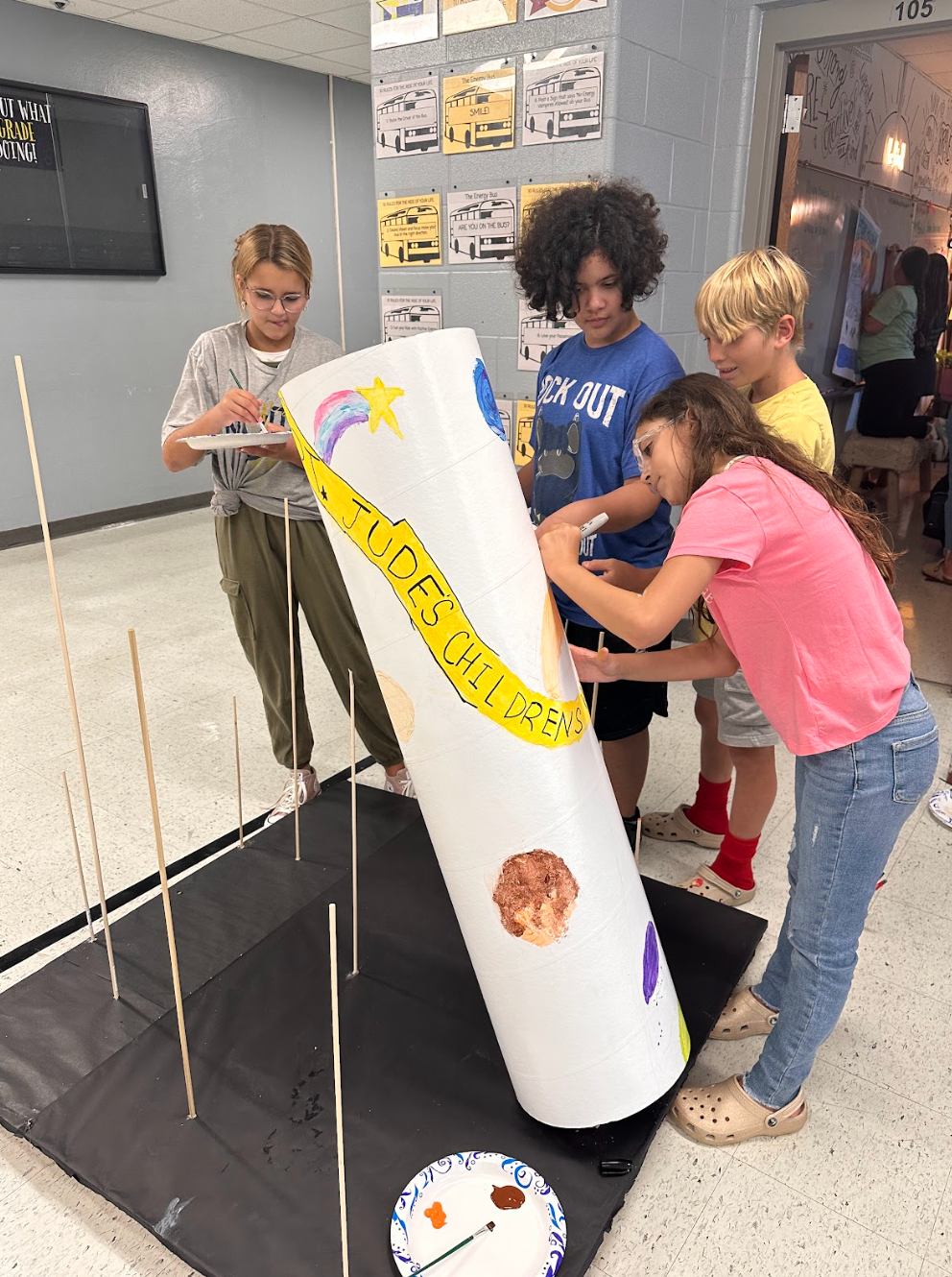
There’s an unmistakable excited, albeit a little nervous energy that pulsates through a classroom just before a meaningful presentation of learning. Some learners focus on finalizing each of the tiniest details while others improvise, re-designing components that have failed on most recent attempts. Teachers conference with learners, giving feedback on products or presentations. For many learners, this kind energy and excitement about learning is something that occurs ‘after the basics’. There’s a belief that permeates educational culture that we must first cover basics, both in content and behavioral expectations, before we can engage learners in meaningful, relevant work. Mt. Washington Middle School doesn’t buy it. We visited their school to see how they immerse learners in authentic learning from the beginning. The entire school was abuzz, engaging in a project bringing awareness to local nonprofits. Hallways were filled with parade floats, art supplies, and the occasional supervised power tool. Learners were collaborating to research local non-profits, giving each other feedback on designs, and building products together while teachers facilitated, acting as coaches when needed. Learners and teachers collaborated with a sense of familiarity and rapport that might otherwise take weeks to develop. The tasks classes engaged in were learner-led and learner-designed. Moreover, in their conversations with one another, learners communicated with a sense of humor and community. To put it simply, learners seemed like they felt at home and were doing work they were invested in. This was not in an isolated classroom or even a grade-level team. This was happening in every single classroom at MWMS. What’s more is learners didn’t have to wait for any basics to get to this experience. It was the fourth day of school.
Not So Secret Agency: How Students Make Mastery Their Mission