
January 21, 2026

Designing Defenses of Learning

This article has been written by Lacey Eckels

How might Defenses of Learning become powerful spaces for students to reflect, grow, and share their stories.


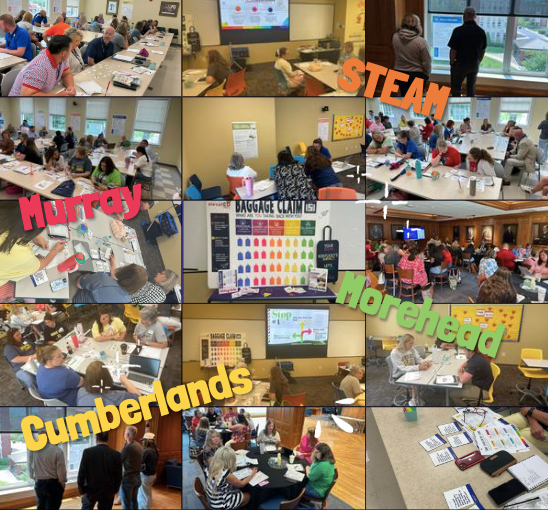
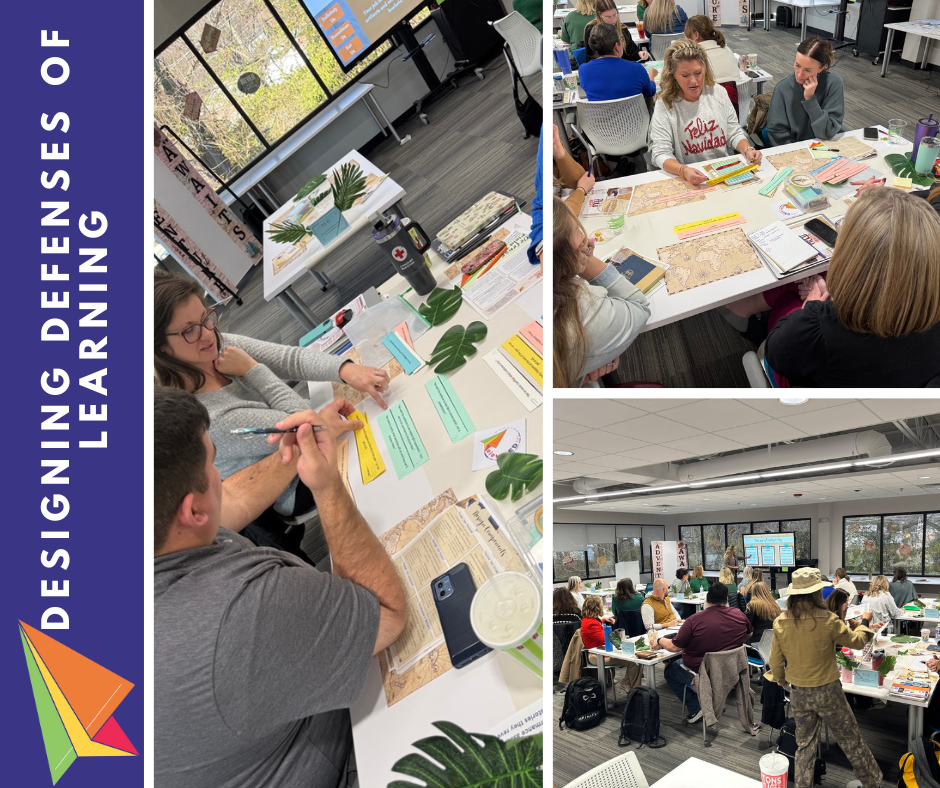
Before the holiday break, school and district leaders from across our state came together to wrestle with this question at our Defenses of Learning Design Studio. Defenses of Learning offer more than a culminating event. When designed with intention, they become moments where students reflect on their growth, connect evidence to purpose, and practice telling the story of who they are as learners. They also give educators and leaders rare, meaningful insight into the student experience: what's working, what's sticking, and what matters most.


During the design studio, leaders stepped into the role of learning archeologists, uncovering simple shifts and practical tools for designing their very first Defense of Learning or reimagining ones already in place. Together, we explored multiple layers of the process—from establishing a clear purpose, to collecting meaningful evidence, to preparing students for defense day with confidence and clarity.


We also examined the behind-the-scenes moves that make defenses more seamless and more human: preparing panelists for rich conversation, designing defense-day structures that reduce stress and elevate voice, and harnessing defense data to inform reflection, instruction, and next steps.

The takeaway was clear. Defenses of Learning don't have to be complicated or cookie-cutter. With thoughtful design and a learner-centered purpose, they can become joyful, reflective spaces where students are seen, heard, and valued and where learning is made visible in ways that truly matter.


Fuel For Your Next Big Design Move


With Defense of Learning season quickly approaching, many schools are preparing for Defense of Learning season. This week, we're featuring a free resource from our Defenses of Learning Toolkit, along with a free opportunity to continue the learning. This tool is just one of the 50+ strategies, templates, and design moves leaders explored to make defenses more human, purposeful, and student-centered.


The Panelist Dialogue Menu addresses a common challenge we hear from schools: panelists often want to be supportive, but aren't always sure what to ask or may feel unfamiliar conversing with students in reflective, non-evaluative ways. This simple menu offers clear, compassionate conversation structures like Notice–Wonder–Hope and Shining Moments, helping panelists engage learners with curiosity rather than judgment. The result? Students feel seen and affirmed, panelists feel confident and prepared, and defenses become powerful conversations, not performances.


And for those ready to dive deeper, we're repeating the Defenses of Learning Design Studio on February 18. See What's on Deck below for details.


Your Spring Learning Flight Plan

✈️ Designing Defenses of Learning


February 18 | 9:00–3:00
Back by popular demand! Every student has a learning story worth telling. This design session supports teachers, coaches, and leaders in creating or refining Defenses of Learning that center growth, reflection, and student voice. Through inspiring examples, exploration of common pain points, and digging into 50+ tools and strategies, you'll leave with ideas and resources to make your Defenses of Learning impactful for your entire school/ district community.
🔗 
sign up here


✈️ The Communication & Collaboration Playbook


March 12 | 9:00–3:00
The two skills most commonly included in Portraits of a Learner AND on job descriptions: communication and collaboration. But, what does it really mean to bring those skills to life in classrooms? This session explores practical strategies and simple shifts found in our Profile Playbook that help make these skills daily habits. With or without a learner profile, participants will leave with tools that empower students to take ownership and collaborate with purpose.
🔗 
sign up here


✈️ Learning Opportunity with Our Friends at NGLC


April 9–10, 2026 | Portland, Maine
Next Generation Learning Challenges invites educators to a 
Learning Excursion to Casco Bay High School, focused on rigor, relevance, and relationships in innovative instruction and proficiency-based grading. Participants will experience student-led, community-connected learning in action and take home bold yet practical ideas. Early bird pricing is available through February 1, with additional discounts through March 1.
🔗 Learn more & register: 
https://nglc-2026.eventbrite.com


By Lacey Eckels February 17, 2026
Explore vibrant learning in action with classroom stories, practical transformation tools, and upcoming professional development events designed to help educators turn vision into daily practice.
By Lacey Eckels January 27, 2026
AI is everywhere, but where does it truly belong in schools? Discover how the braided learning mindset helps educators use AI to enhance reflection, planning, and vibrant learning without losing the human heart of teaching.
By Lacey Eckels December 2, 2025
The Prichard Committee's newest work on the Meaningful Diploma lifts up a challenge many districts feel: seniors often spend their final year in courses that feel disconnected from the futures they're stepping into. Fleming County High School saw that firsthand. Many seniors—especially those heading straight into work or technical programs—were sitting in traditional English classes that didn't match their goals, while their CTE pathways were buzzing with real-world learning, certifications, and purpose. That tension sparked a simple but powerful question: What if senior English lived where students already felt meaning? Fleming County's answer: allow seniors to earn their English credit inside their CTE pathway, where reading, writing, and communication flow from the authentic work they're already doing. The results are alive in classrooms. Instead of Beowulf, welding students analyze OSHA manuals tied directly to the safety skills they're building in the shop. Early childhood students write narratives grounded in their fieldwork with local preschoolers. Ag seniors craft informational pieces connected to the certifications they're earning. Family & Consumer Sciences students develop business concepts from the ground up: researching requirements, outlining processes, and writing the accompanying plans. It's still English—every priority standard intact—but suddenly relevant, embodied, and connected to a future students can see. CTE teachers teach English 12 themselves, using Schools PLP as the spine and collaborating with ELA colleagues to ensure rigor stays high—an approach that shows how staffing, standards, and pathways can work together instead of competing for time. The benefits are already visible: stronger writing across the building, clearer purpose for seniors, and a staff that sees itself less as “departments” and more as a unified team designing for student futures. Fleming County is illustrating how aligned, purposeful design of the student experience can strengthen both engagement and the quality of student work.
Show More
By Lacey Eckels February 17, 2026
Explore vibrant learning in action with classroom stories, practical transformation tools, and upcoming professional development events designed to help educators turn vision into daily practice.
By Lacey Eckels January 27, 2026
AI is everywhere, but where does it truly belong in schools? Discover how the braided learning mindset helps educators use AI to enhance reflection, planning, and vibrant learning without losing the human heart of teaching.
By Lacey Eckels December 2, 2025
The Prichard Committee's newest work on the Meaningful Diploma lifts up a challenge many districts feel: seniors often spend their final year in courses that feel disconnected from the futures they're stepping into. Fleming County High School saw that firsthand. Many seniors—especially those heading straight into work or technical programs—were sitting in traditional English classes that didn't match their goals, while their CTE pathways were buzzing with real-world learning, certifications, and purpose. That tension sparked a simple but powerful question: What if senior English lived where students already felt meaning? Fleming County's answer: allow seniors to earn their English credit inside their CTE pathway, where reading, writing, and communication flow from the authentic work they're already doing. The results are alive in classrooms. Instead of Beowulf, welding students analyze OSHA manuals tied directly to the safety skills they're building in the shop. Early childhood students write narratives grounded in their fieldwork with local preschoolers. Ag seniors craft informational pieces connected to the certifications they're earning. Family & Consumer Sciences students develop business concepts from the ground up: researching requirements, outlining processes, and writing the accompanying plans. It's still English—every priority standard intact—but suddenly relevant, embodied, and connected to a future students can see. CTE teachers teach English 12 themselves, using Schools PLP as the spine and collaborating with ELA colleagues to ensure rigor stays high—an approach that shows how staffing, standards, and pathways can work together instead of competing for time. The benefits are already visible: stronger writing across the building, clearer purpose for seniors, and a staff that sees itself less as “departments” and more as a unified team designing for student futures. Fleming County is illustrating how aligned, purposeful design of the student experience can strengthen both engagement and the quality of student work.
Show More


Share this article