
April 2, 2026

PORTRAIT IN PRACTICE: Teaching the Skills we ask Students to Defend

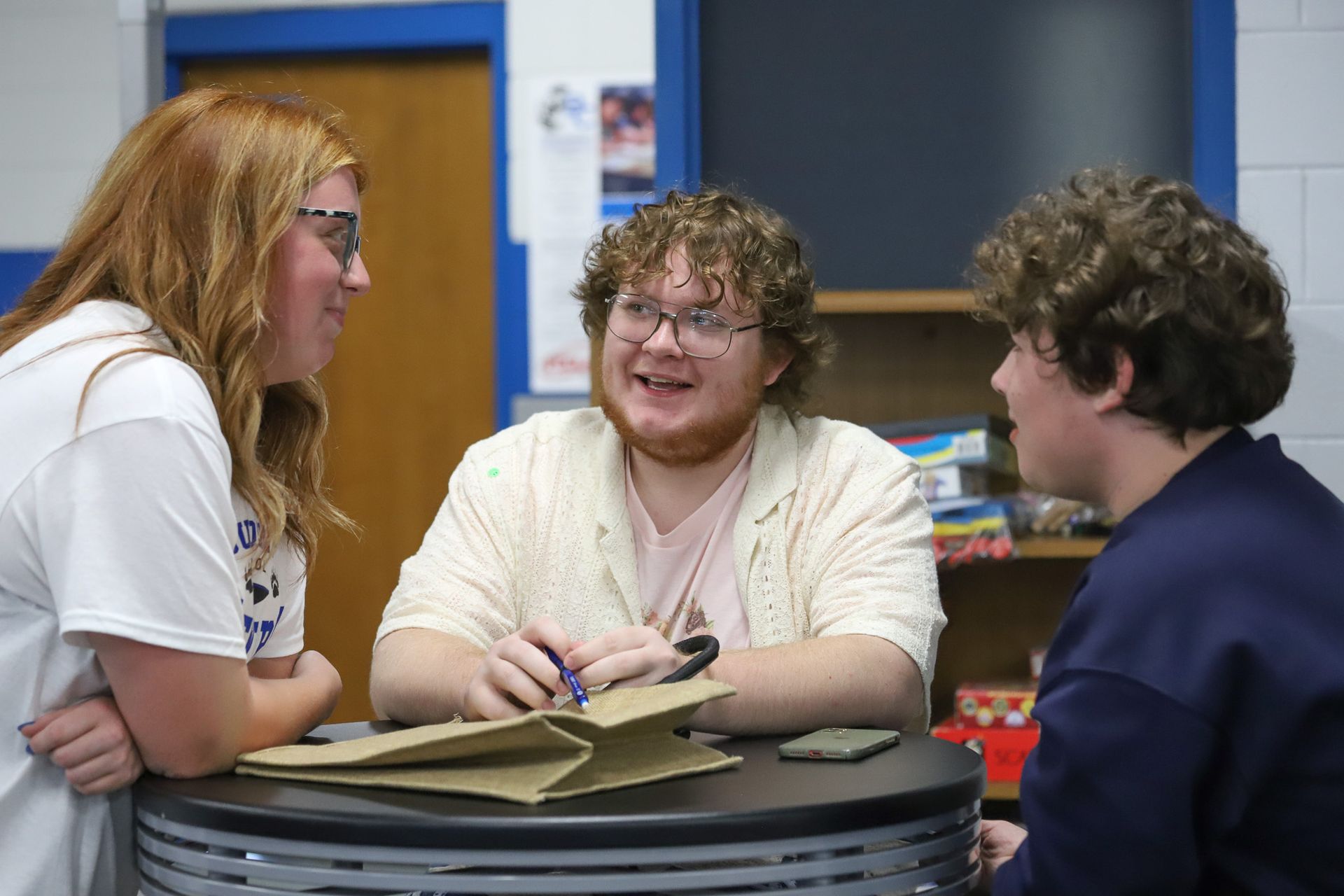
We often hear students describe themselves as “effective communicators” or “strong collaborators” during Defenses of Learning.


But does what they say—and what they show—reveal a true understanding of the skill?
 

A new report from America Succeeds and Northeastern University (2026), The Path Forward: How Schools Actually Help Learners Develop the Durable Skills They Need for School, Work and Life, highlights a critical truth: We're not struggling to name these skills. We're struggling to teach them intentionally.


This is the very challenge driving the Portrait of a Learner/Graduate Profile movement. We've gotten clearer on what matters. Now we have to get just as clear on how those skills are developed in daily learning.
 

What's Different in Schools That Get This Right?

The report highlights several key practices in schools where durable skill development is a top priority. These schools don't just assume durable skills will emerge. They design for them.


THEY MAKE THE SKILLS VISIBLE | These schools make the skills visible. Students aren't guessing what good collaboration looks like. | Transformation: Learner-Owned |


THEY CREATE REAL REASONS TO USE THEM | Students aren't practicing skills for someday. They're communicating with real audiences, solving real problems, and adjusting in real time. | Transformation: Real World |


THEY BUILD THEM INTO EVERYDAY LEARNING | These skills don't live in special projects. They show up across classes, across contexts, and across the year. | Transformations: Learner-Led + Collaborative |


The Result?

Students don't just talk about durable skills.


They demonstrate them.

They reflect on them.

They grow them.


And when it comes time for a Defense of Learning…

you don't have to wonder if the skills are there. You can see them.


If we want students to demonstrate durable skills - not just name them - then we have to design learning where those skills are practiced every day.


That's the shift.


And it's the focus of our upcoming April 29 Design Studio: The Communication and Collaboration Playbook, where we'll explore practical strategies and simple moves that help turn communication and collaboration into daily habits—not occasional outcomes.


Whether you're working from a Graduate Profile or just beginning to name what matters most, this session centers on one core idea:


 Durable skills are built through intentional, everyday design.


In the meantime, here are two FREE sample plays from our Learner Profile Playbook—a practical toolkit for helping learners build the skills they need to communicate, collaborate, think critically, and navigate learning with confidence.


COMMUNICATION: Play 1  Run this play when learners are preparing for presentations, interviews, performances, or public- facing tasks and need to strengthen their delivery presence with confidence, clarity, and connection.


COLLABORATION: Play 1  Run this play when learners are about to start a collaborative project and need to surface their collaboration strengths and preferences before assigning roles or responsibilities. This play creates self-awareness and helps teams form balanced, complementary dynamics.


✈️  The Communication & Collaboration Playbook


April 29 | OVEC Middleton | 9:00–3:00

The two skills most commonly included in Portraits of a Learner AND on job descriptions: communication and collaboration. But, what does it really mean to bring those skills to life in classrooms? This session explores practical strategies and simple shifts found in our Profile Playbook that help make these skills daily habits. With or without a learner profile, participants will leave with tools that empower students to take ownership and collaborate with purpose.
🔗 
sign up here


By Lacey Eckels • October 15, 2026
Imagine a student preparing for her defense of learning. Her portfolio holds exactly what she was asked to collect: two artifacts for communication, two for collaboration, two for problem solving, two for lifelong learning. She's done everything right. But does her evidence tell a story about who she's becoming or does it just prove she met another requirement? After being part of hundreds of student defenses, we've found ourselves wondering: Have we become so focused on helping students collect evidence of competencies that we've overlooked helping them recognize the learning those experiences reveal? Consider the kinds of artifacts most often shared. Students naturally save the certificate representing the high score, the award, or a polished final product. Yet the most revealing evidence is often the prototype that failed, the feedback they resisted, or the moment they finally asked for help. The evidence that best reveals learning isn't always the evidence that best showcases success. Consider the difference between a student saying, “This project shows I'm a good collaborator,” and one explaining, “I used to think collaboration meant making sure everyone followed the plan. Now I understand the importance of listening, changing my mind, and making room for other people's ideas.” The first student has matched an artifact to a competency. The second is telling a story of learning. Helping more students get there may require rethinking not just what we collect, but how students learn to see their own growth. Read the full piece: What if the Profile is a lens, not a Filing Cabinet?
By Lacey Eckels • September 24, 2026
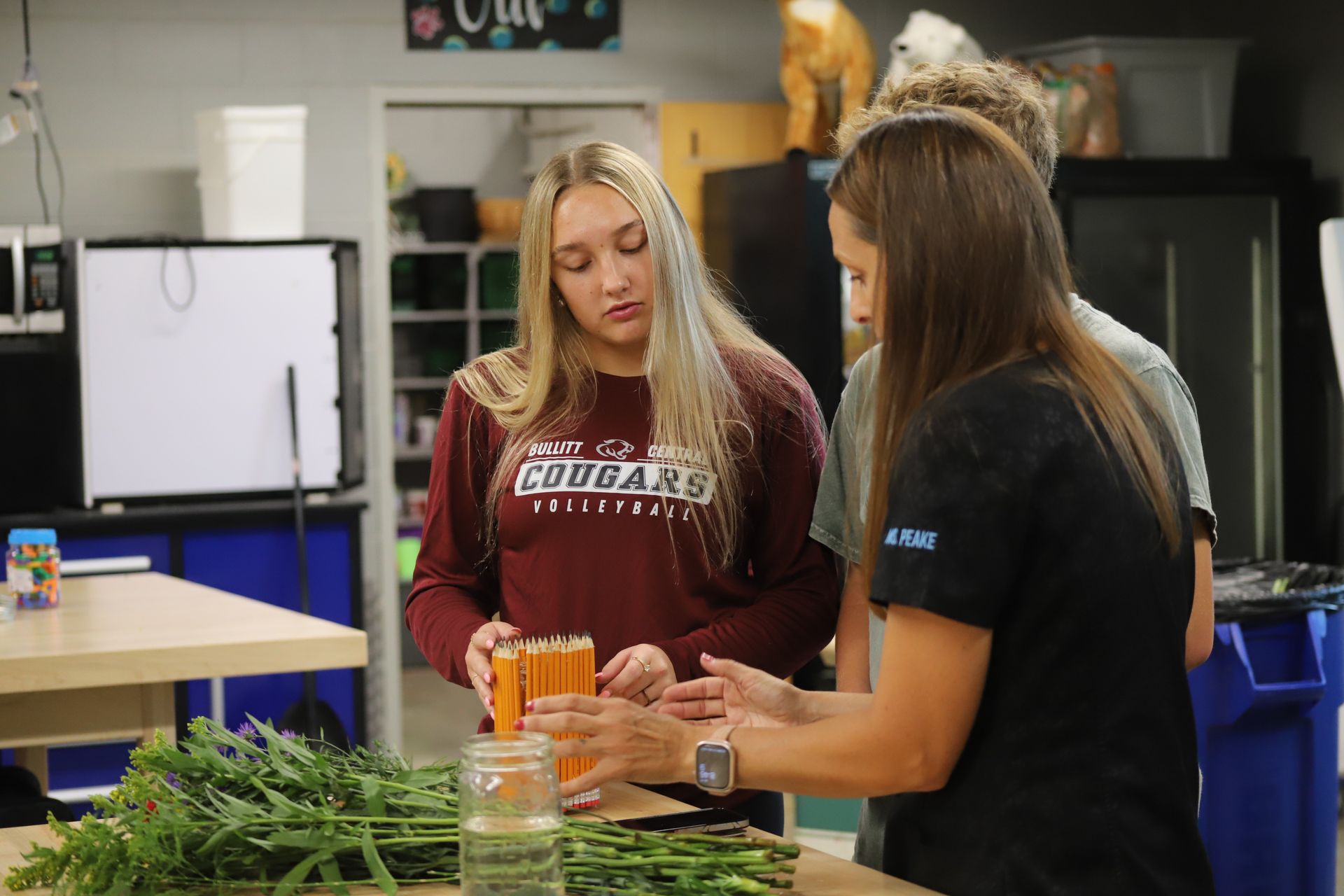
Rigor Lives in the Middle Vibrant learning isn't learning without challenge. It's learning where the challenge feels worth taking on.
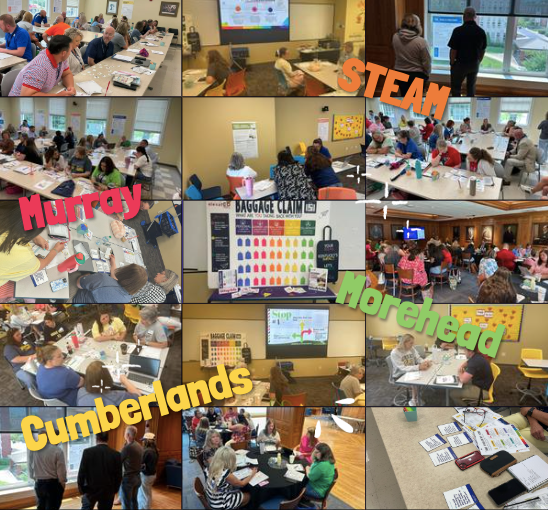
classrooms around the state of kentucky
By Lacey Eckels • September 2, 2026
Explore five coaching transformations that center teacher voice, strengthen reflection, and create the conditions for authentic educator growth and vibrant learning.

Show More
By Lacey Eckels • October 15, 2026
Imagine a student preparing for her defense of learning. Her portfolio holds exactly what she was asked to collect: two artifacts for communication, two for collaboration, two for problem solving, two for lifelong learning. She's done everything right. But does her evidence tell a story about who she's becoming or does it just prove she met another requirement? After being part of hundreds of student defenses, we've found ourselves wondering: Have we become so focused on helping students collect evidence of competencies that we've overlooked helping them recognize the learning those experiences reveal? Consider the kinds of artifacts most often shared. Students naturally save the certificate representing the high score, the award, or a polished final product. Yet the most revealing evidence is often the prototype that failed, the feedback they resisted, or the moment they finally asked for help. The evidence that best reveals learning isn't always the evidence that best showcases success. Consider the difference between a student saying, “This project shows I'm a good collaborator,” and one explaining, “I used to think collaboration meant making sure everyone followed the plan. Now I understand the importance of listening, changing my mind, and making room for other people's ideas.” The first student has matched an artifact to a competency. The second is telling a story of learning. Helping more students get there may require rethinking not just what we collect, but how students learn to see their own growth. Read the full piece: What if the Profile is a lens, not a Filing Cabinet?
By Lacey Eckels • September 24, 2026
Rigor Lives in the Middle Vibrant learning isn't learning without challenge. It's learning where the challenge feels worth taking on.
classrooms around the state of kentucky
By Lacey Eckels • September 2, 2026
Explore five coaching transformations that center teacher voice, strengthen reflection, and create the conditions for authentic educator growth and vibrant learning.
Show More


Share this article