

April 21, 2026

Building Toward the Defense: One reflection at a Time

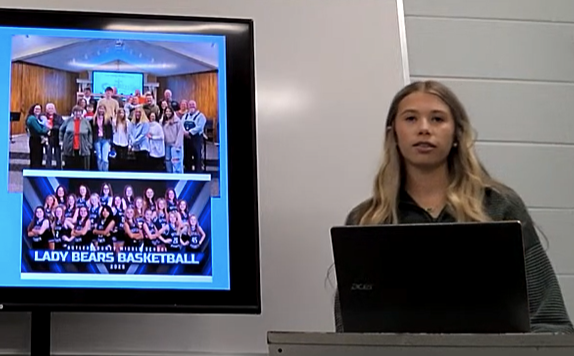
We see such powerful moments in Defenses of Learning. Students confidently name themselves as communicators, collaborators, and problem-solvers. They point to artifacts. They use the language. 


Sometimes however, when a panelist asks, “How did your thinking change as a result of working with others?” or “What did you do when communication broke down?” or even “What did you learn about yourself as a collaborator?” responses sound much less confident, almost as if this is something the learner hadn't considered. It isn't because learning didn't happen, but because reflection hasn't always kept pace.


Research is clear: reflection is what helps learning stick. But too often, it's what gets left out when time runs short. Before we know it, it's time to prepare for Defenses - and students are stuck trying to remember. When that happens, reflection risks becoming a rushed retelling, not sense-making - and we've missed what could've been an impactful learning opportunity. 


This week in Runway Ready, you'll find simple routines to build reflection into the rhythm of day-to-day learning. Before you know it, getting ready for Defenses will become much easier for your students. Thanks to routine reflection, they'll find they've been preparing all along!


Ready to get Started? 

Try One of These Four Runway Ready Reflection Ideas!


1) Peer Reflection Loop

Time: 10 minutes

Students give and receive feedback tied to a skill:

  • “I saw you demonstrate [skill] when…”
  • “One way to strengthen this could be…”

 Why it works: Students learn to recognize skills in real time—not just name them later.


2) One-Minute Reflection Talk

Time: 5–10 minutes

Students quickly share (or record):

  • One skill they developed
  • A specific moment
  • What they learned about themselves

 Why it works: Builds confidence and clarity—students are practicing for defenses without it feeling like “practice.”


 3) “Where Didn't It Show Up?”

Time: 5–10 minutes

Students reflect:

  • Where did I not demonstrate this skill—but could have?
  • What got in the way?
  • What will I try next time?

 Why it works: Normalizes growth and leads to more honest, meaningful reflection.


4) Want a Simple Weekly Routine?

Try this Friday Reflection (10–15 min):

  1. Choose a skill
  2. Name a moment (What happened?)
  3. Show evidence (What proves it?)
  4. Reflect (What went well? What was a stretch?)
  5. Set a next step

 Pro tip: Ask students, “If you had to defend your growth this week, what would you say?”

✈️  The Communication & Collaboration Playbook


April 29 | OVEC Middleton | 9:00–3:00

The two skills most commonly included in Portraits of a Learner AND on job descriptions: communication and collaboration. But, what does it really mean to bring those skills to life in classrooms? This session explores practical strategies and simple shifts found in our Profile Playbook that help make these skills daily habits. With or without a learner profile, participants will leave with tools that empower students to take ownership and collaborate with purpose.
🔗 
sign up here

By Lacey Eckels April 2, 2026
Schools have named durable skills like communication and collaboration, but struggle to teach them intentionally. Schools that succeed make skills visible, embed them into daily learning, and apply them in real-world contexts. The core message is clear: durable skills are built through intentional, everyday design.

By Lacey Eckels March 17, 2026
What does it look like when a student’s Defense of Learning truly embodies a district’s Profile of a Learner? This 11-year-old’s compelling TED-style talk offers a powerful example. The format might not be what many of us expect in a traditional defense, yet the Portrait competencies are unmistakably present. Communication is evident in his pacing, tone, eye contact, and ability to connect with the audience. Collaboration surfaces as he references mentors and teammates who shaped his journey. Critical thinking appears in the way he interprets experiences and draws lessons from them. Problem-solving emerges through stories of obstacles, setbacks, and growth. The competencies aren’t listed on a slide. They are visible in the delivery. From Sorting Evidence to Synthesizing Growth Many student defenses are structured competency by competency: “Here is my artifact. Here is how it shows I am an effective communicator.” This approach provides clarity and helpful scaffolding, especially as districts begin Portrait work. Over time, however, the structure can unintentionally shift the focus from growth to compliance. The TED-style defense offers a different approach. Instead of sorting artifacts into categories, the student synthesized experiences into a cohesive narrative. He reflected on meaningful moments, described growth over time, connected experiences to identity, and communicated his story clearly to an authentic audience. Rather than organizing artifacts, he was articulating who he is becoming. A Design Question for Leaders What if the defense itself became the demonstration of Profile competencies?  In other words, what if the most powerful defenses were those in which students embody communication, critical thinking, collaboration, and problem-solving through the way they share their learning—making the competencies visible in action, not just in explanation?
By Lacey Eckels March 3, 2026
Start with purpose when designing Defenses of Learning. Discover how clarity transforms these experiences from compliance-driven tasks into meaningful opportunities for student reflection, growth, and authentic demonstration of learning.
Show More
By Lacey Eckels April 2, 2026
Schools have named durable skills like communication and collaboration, but struggle to teach them intentionally. Schools that succeed make skills visible, embed them into daily learning, and apply them in real-world contexts. The core message is clear: durable skills are built through intentional, everyday design.

By Lacey Eckels March 17, 2026
What does it look like when a student’s Defense of Learning truly embodies a district’s Profile of a Learner? This 11-year-old’s compelling TED-style talk offers a powerful example. The format might not be what many of us expect in a traditional defense, yet the Portrait competencies are unmistakably present. Communication is evident in his pacing, tone, eye contact, and ability to connect with the audience. Collaboration surfaces as he references mentors and teammates who shaped his journey. Critical thinking appears in the way he interprets experiences and draws lessons from them. Problem-solving emerges through stories of obstacles, setbacks, and growth. The competencies aren’t listed on a slide. They are visible in the delivery. From Sorting Evidence to Synthesizing Growth Many student defenses are structured competency by competency: “Here is my artifact. Here is how it shows I am an effective communicator.” This approach provides clarity and helpful scaffolding, especially as districts begin Portrait work. Over time, however, the structure can unintentionally shift the focus from growth to compliance. The TED-style defense offers a different approach. Instead of sorting artifacts into categories, the student synthesized experiences into a cohesive narrative. He reflected on meaningful moments, described growth over time, connected experiences to identity, and communicated his story clearly to an authentic audience. Rather than organizing artifacts, he was articulating who he is becoming. A Design Question for Leaders What if the defense itself became the demonstration of Profile competencies?  In other words, what if the most powerful defenses were those in which students embody communication, critical thinking, collaboration, and problem-solving through the way they share their learning—making the competencies visible in action, not just in explanation?
By Lacey Eckels March 3, 2026
Start with purpose when designing Defenses of Learning. Discover how clarity transforms these experiences from compliance-driven tasks into meaningful opportunities for student reflection, growth, and authentic demonstration of learning.
Show More


Share this article