
August 18, 2025

Building Collaboration from Day One

Collaboration shows up in nearly every Profile of a Learner. But it doesn’t just happen because students sit in groups. Without intentional design, group work can quickly slide into uneven participation and missed opportunities to grow the skill.


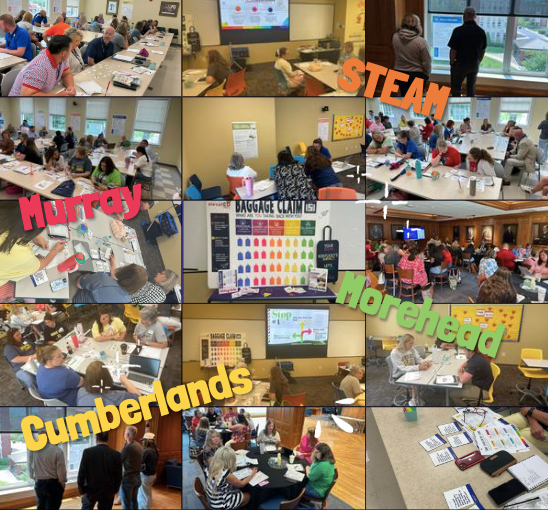
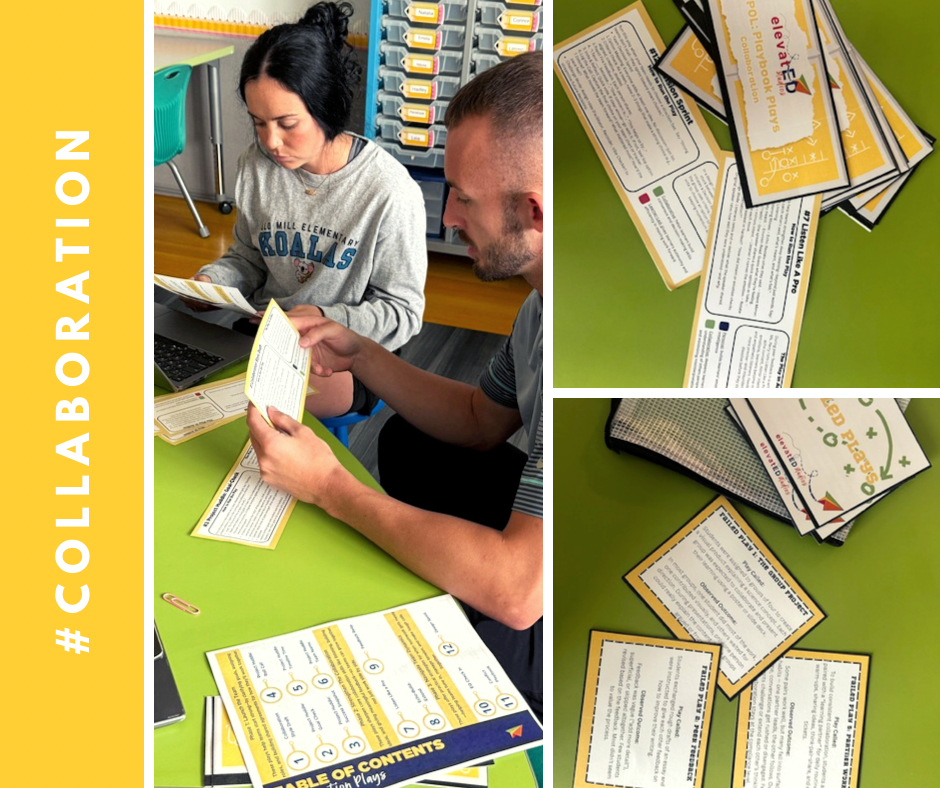
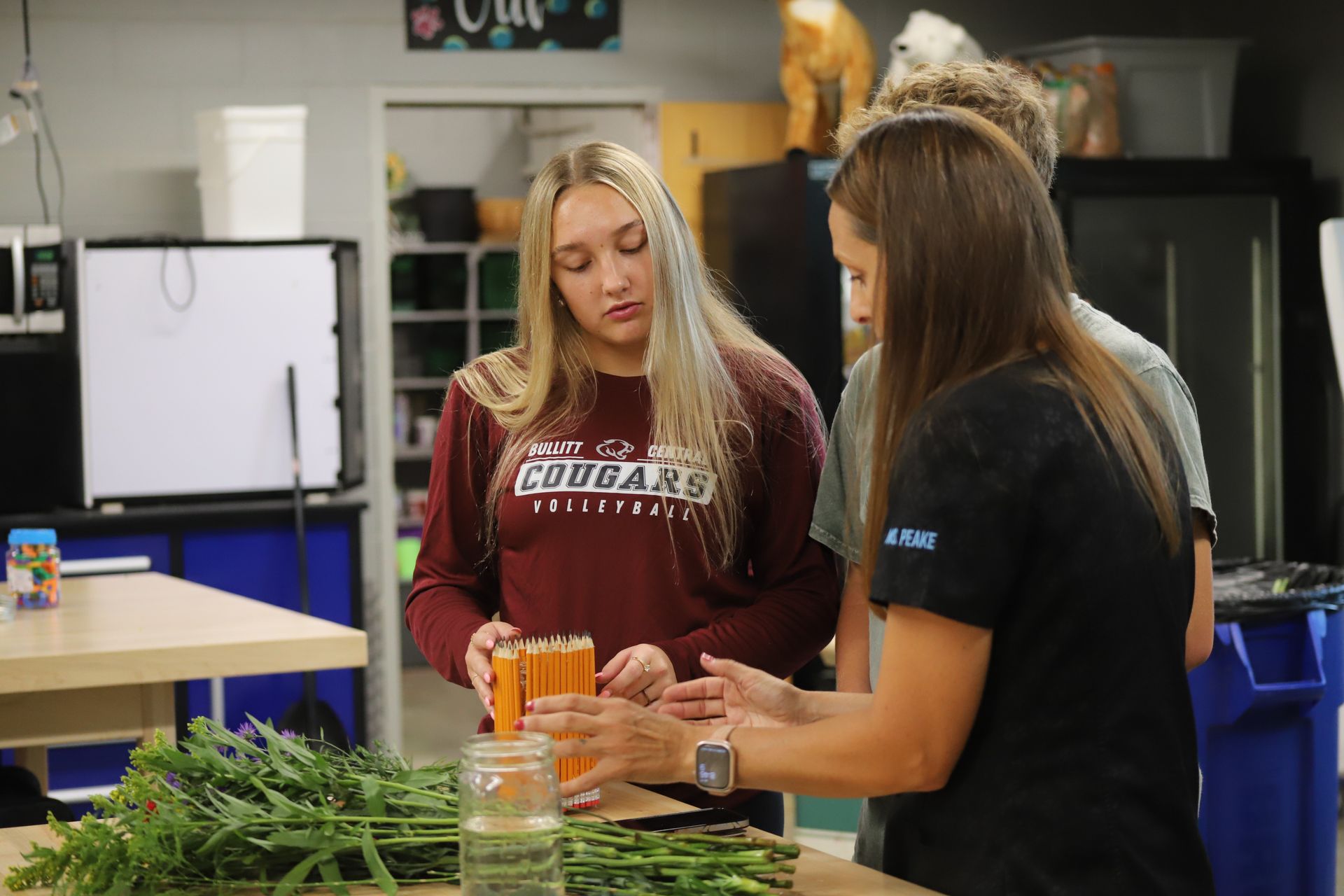
This summer, educators at Old Mill Elementary and Elizabethtown Independent Schools took on the challenge of teaching collaboration intentionally. Guided by the Transformation Framework, they explored how to design learning so collaboration is meaningful, builds on learners strengths, and gives space for reflection and ownership. 


They worked from a simple game plan: inputs (standards plus the Transformations), plays (strategies and tools that bring those inputs to life), and outputs (the standards and learner profile skills students develop, like listening deeply, navigating perspectives, and moving ideas forward).


Their work centered on practical entry points from the new Collaboration Learner Profile Playbook:


  • Mini-Lessons – teaching a single collaboration move (like active listening or shared decision-making) before students start a task.
  • Plays – weaving collaboration strategies into authentic content. 
  • Equipment Room – tools and organizers to ensure balanced participation and reflection.


These educators left with concrete ways to help students not just do group work, but learn how to collaborate with purpose and confidence from day 1. 


Our Learner Profile Playbook is packed with ways to teach essential skills, like collaboration, with the same intentionality we bring to content. 


Conflict Playbook is one of those Plays. Run this play when you spot conflict or tension emerging in a pair or team, instead of letting discomfort derail collaboration.


When tension rises, call a Conflict Time-Out and guide learners through the play:


Step 1: What’s the Rub?


  • Each team member names the tension from their perspective, brief and without blame:
  • “What feels stuck or off right now?”


Step 2: Common Ground Check


  • Refocus on the shared goal: 
  • “What are we actually trying to accomplish together?”

Step 3: Choose a Play Call


  • The team selects one conflict resolution strategy from the menu below:
  • Swap & Explain: Each person restates the other’s viewpoint to show understanding
  • Pick & Test: Try one idea for 10 minutes—then reassess
  • Third Voice: Invite a neutral peer or teacher to help suggest a merge or alternate solution
  • Quick Write: Everyone writes their thinking silently first, then shares
  • Vote & Commit: If truly stuck, take a quick team vote and move forward together


Step 4: Make the Next Play


  • “What’s our next step, and who’s doing what?”


Challenge Mode (Optional Upgrade):


  • Team Choice Menu: Let each team customize their Conflict Playbook—choose 3 favorite play calls and give them team-specific names (e.g., “Lightning Round” or “Silent Think”).
  • Weekly Retrospective: Add a brief “How did we handle conflict this week?” question to team journals or project reflections.


📂 Access the full play here: Conflict Playbook 


✈️ September 22 - The Learner/Graduate Profile Playbook (9am-3pm)


Ready to move your Profile of a Learner from words on a page to real impact in your classrooms? This full-day session will take you deeper into the Learner Profile Playbook to:


  • Explore more Plays (like the Conflict Playbook) you can run right away
  • Learn practical ways to design for two essential skills in any profile: collaboration and communication. 
  • Leave with ready-to-run lessons, embedded strategies, and tools that make these skills visible, intentional, and powerful in your classroom. 
  • 🔗 Sign up here


✈️ September 29th - Local Accountability Cohort Kickoff (9am-12pm) 


How do we design systems that tell a complete story of student, school, and community success? Join our OVEC Local Accountability Cohort to:

  • Learn alongside districts reimagining accountability
  • Explore real models and prototype tools
  • Turn bold aspirations into sustainable, scalable systems
  • 🔗 Sign up here


✈️ Personalized elevatED studios Partnerships


Ready to reimagine the learner experience for your school or district? Check out some of our 
Partnership Snapshots for inspiration on how we might co-design a more vibrant future for your learners!


By Lacey Eckels April 2, 2026
Schools have named durable skills like communication and collaboration, but struggle to teach them intentionally. Schools that succeed make skills visible, embed them into daily learning, and apply them in real-world contexts. The core message is clear: durable skills are built through intentional, everyday design.
By Lacey Eckels March 17, 2026
What does it look like when a student’s Defense of Learning truly embodies a district’s Profile of a Learner? This 11-year-old’s compelling TED-style talk offers a powerful example. The format might not be what many of us expect in a traditional defense, yet the Portrait competencies are unmistakably present. Communication is evident in his pacing, tone, eye contact, and ability to connect with the audience. Collaboration surfaces as he references mentors and teammates who shaped his journey. Critical thinking appears in the way he interprets experiences and draws lessons from them. Problem-solving emerges through stories of obstacles, setbacks, and growth. The competencies aren’t listed on a slide. They are visible in the delivery. From Sorting Evidence to Synthesizing Growth Many student defenses are structured competency by competency: “Here is my artifact. Here is how it shows I am an effective communicator.” This approach provides clarity and helpful scaffolding, especially as districts begin Portrait work. Over time, however, the structure can unintentionally shift the focus from growth to compliance. The TED-style defense offers a different approach. Instead of sorting artifacts into categories, the student synthesized experiences into a cohesive narrative. He reflected on meaningful moments, described growth over time, connected experiences to identity, and communicated his story clearly to an authentic audience. Rather than organizing artifacts, he was articulating who he is becoming. A Design Question for Leaders What if the defense itself became the demonstration of Profile competencies?  In other words, what if the most powerful defenses were those in which students embody communication, critical thinking, collaboration, and problem-solving through the way they share their learning—making the competencies visible in action, not just in explanation?
By Lacey Eckels March 3, 2026
Start with purpose when designing Defenses of Learning. Discover how clarity transforms these experiences from compliance-driven tasks into meaningful opportunities for student reflection, growth, and authentic demonstration of learning.
Show More
By Lacey Eckels April 2, 2026
Schools have named durable skills like communication and collaboration, but struggle to teach them intentionally. Schools that succeed make skills visible, embed them into daily learning, and apply them in real-world contexts. The core message is clear: durable skills are built through intentional, everyday design.
By Lacey Eckels March 17, 2026
What does it look like when a student’s Defense of Learning truly embodies a district’s Profile of a Learner? This 11-year-old’s compelling TED-style talk offers a powerful example. The format might not be what many of us expect in a traditional defense, yet the Portrait competencies are unmistakably present. Communication is evident in his pacing, tone, eye contact, and ability to connect with the audience. Collaboration surfaces as he references mentors and teammates who shaped his journey. Critical thinking appears in the way he interprets experiences and draws lessons from them. Problem-solving emerges through stories of obstacles, setbacks, and growth. The competencies aren’t listed on a slide. They are visible in the delivery. From Sorting Evidence to Synthesizing Growth Many student defenses are structured competency by competency: “Here is my artifact. Here is how it shows I am an effective communicator.” This approach provides clarity and helpful scaffolding, especially as districts begin Portrait work. Over time, however, the structure can unintentionally shift the focus from growth to compliance. The TED-style defense offers a different approach. Instead of sorting artifacts into categories, the student synthesized experiences into a cohesive narrative. He reflected on meaningful moments, described growth over time, connected experiences to identity, and communicated his story clearly to an authentic audience. Rather than organizing artifacts, he was articulating who he is becoming. A Design Question for Leaders What if the defense itself became the demonstration of Profile competencies?  In other words, what if the most powerful defenses were those in which students embody communication, critical thinking, collaboration, and problem-solving through the way they share their learning—making the competencies visible in action, not just in explanation?
By Lacey Eckels March 3, 2026
Start with purpose when designing Defenses of Learning. Discover how clarity transforms these experiences from compliance-driven tasks into meaningful opportunities for student reflection, growth, and authentic demonstration of learning.
Show More


Share this article