




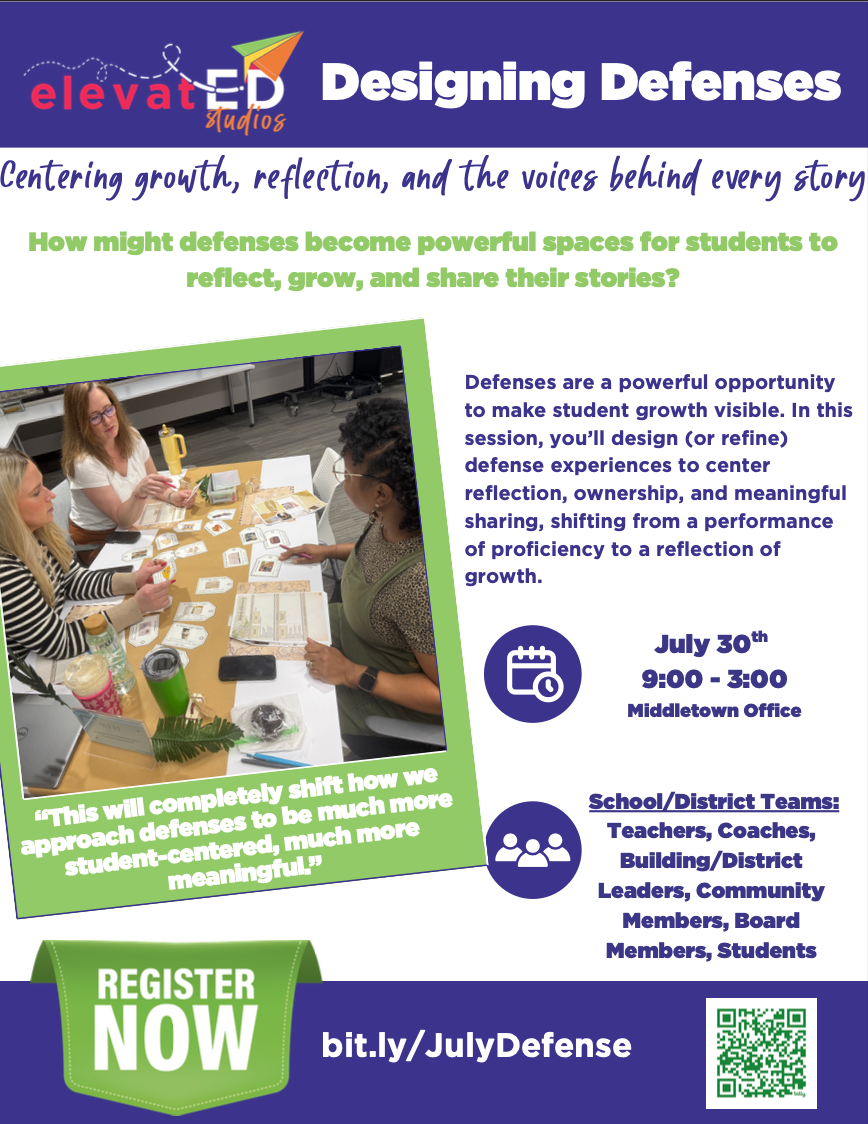
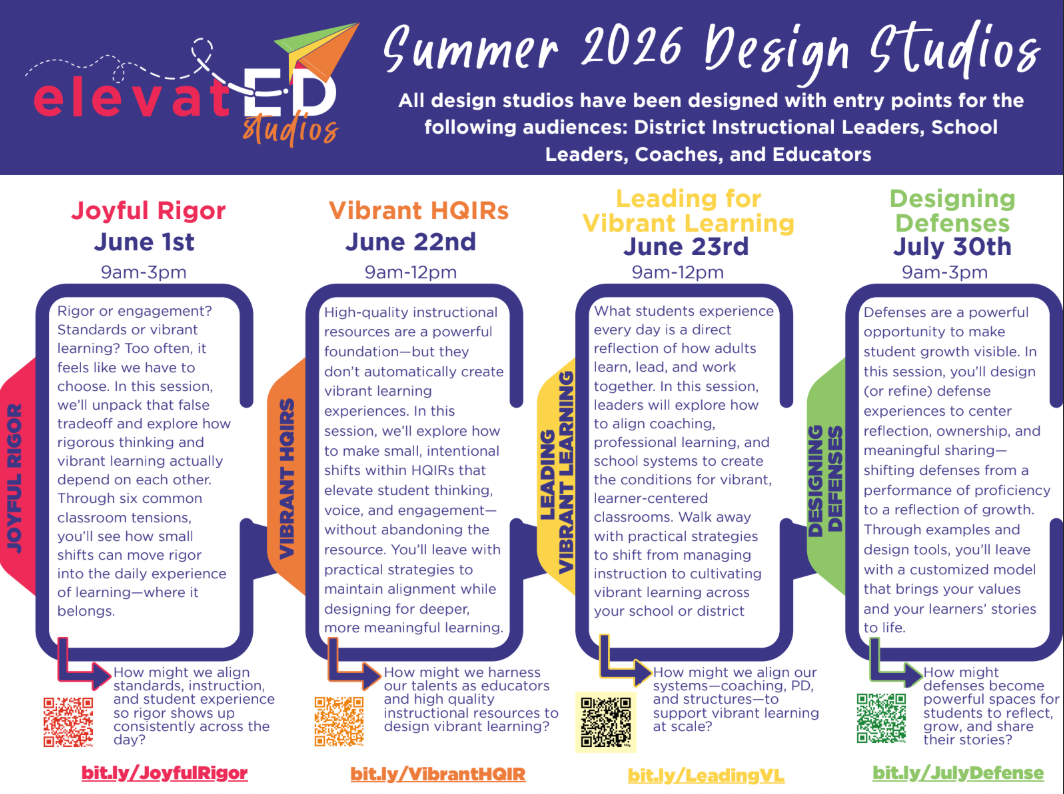
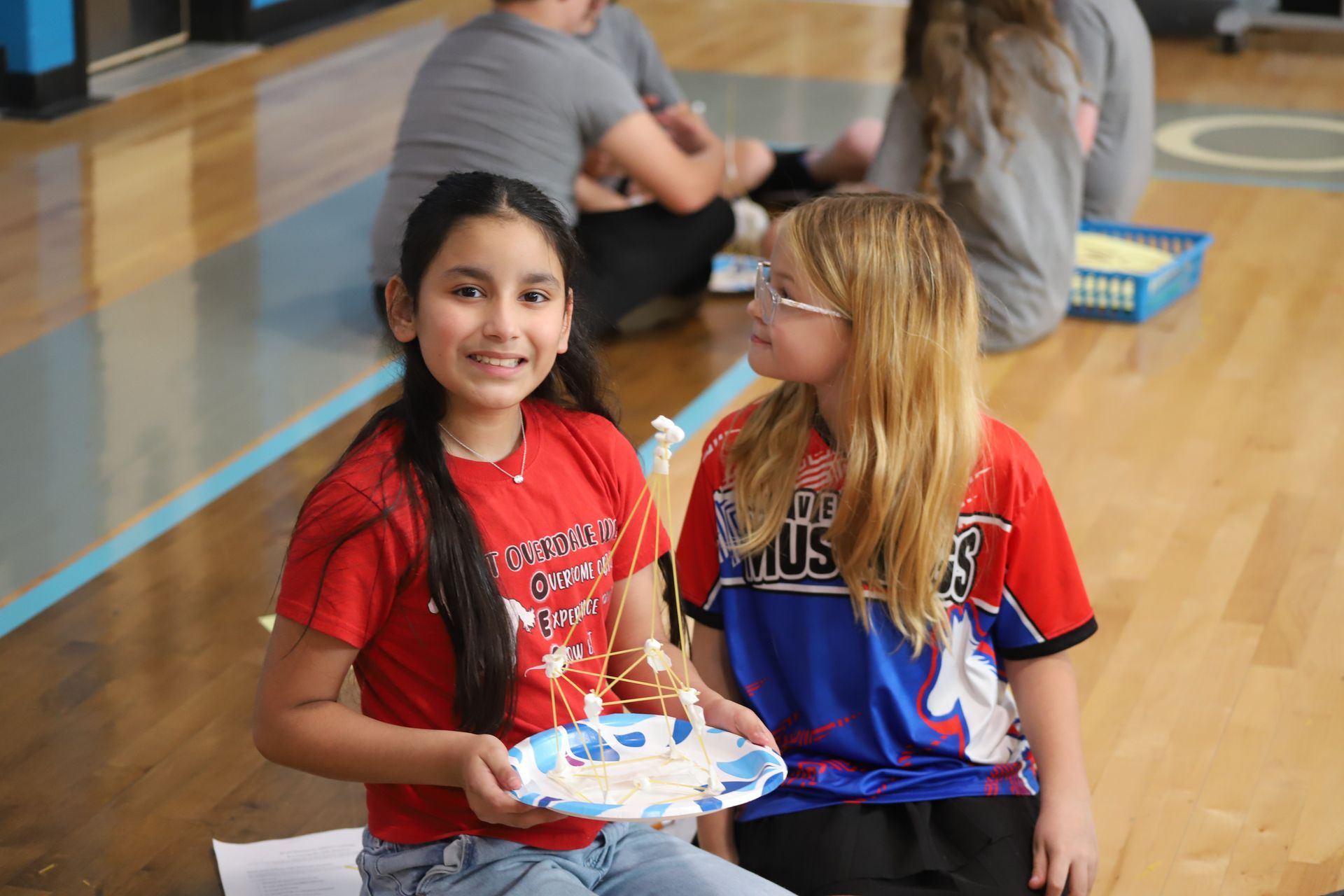
Help students prepare for Defenses of Learning by building reflection into everyday routines. Discover simple, research-backed strategies that strengthen student voice, deepen learning, and make growth visible over time.
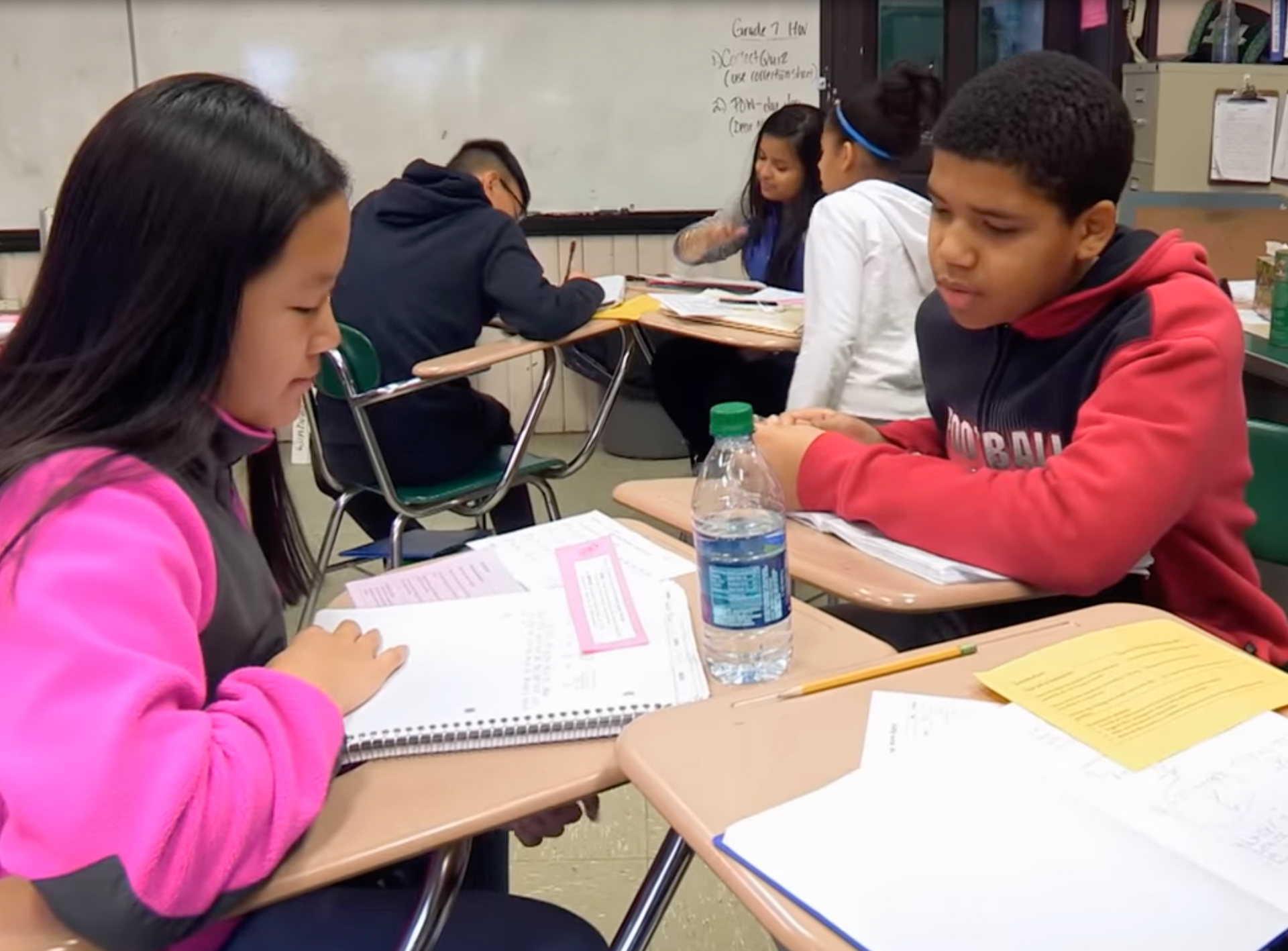
Schools have named durable skills like communication and collaboration, but struggle to teach them intentionally. Schools that succeed make skills visible, embed them into daily learning, and apply them in real-world contexts. The core message is clear: durable skills are built through intentional, everyday design.

What does it look like when a student’s Defense of Learning truly embodies a district’s Profile of a Learner? This 11-year-old’s compelling TED-style talk offers a powerful example. The format might not be what many of us expect in a traditional defense, yet the Portrait competencies are unmistakably present. Communication is evident in his pacing, tone, eye contact, and ability to connect with the audience. Collaboration surfaces as he references mentors and teammates who shaped his journey. Critical thinking appears in the way he interprets experiences and draws lessons from them. Problem-solving emerges through stories of obstacles, setbacks, and growth. The competencies aren’t listed on a slide. They are visible in the delivery. From Sorting Evidence to Synthesizing Growth Many student defenses are structured competency by competency: “Here is my artifact. Here is how it shows I am an effective communicator.” This approach provides clarity and helpful scaffolding, especially as districts begin Portrait work. Over time, however, the structure can unintentionally shift the focus from growth to compliance. The TED-style defense offers a different approach. Instead of sorting artifacts into categories, the student synthesized experiences into a cohesive narrative. He reflected on meaningful moments, described growth over time, connected experiences to identity, and communicated his story clearly to an authentic audience. Rather than organizing artifacts, he was articulating who he is becoming. A Design Question for Leaders What if the defense itself became the demonstration of Profile competencies? In other words, what if the most powerful defenses were those in which students embody communication, critical thinking, collaboration, and problem-solving through the way they share their learning—making the competencies visible in action, not just in explanation?
Help students prepare for Defenses of Learning by building reflection into everyday routines. Discover simple, research-backed strategies that strengthen student voice, deepen learning, and make growth visible over time.
Schools have named durable skills like communication and collaboration, but struggle to teach them intentionally. Schools that succeed make skills visible, embed them into daily learning, and apply them in real-world contexts. The core message is clear: durable skills are built through intentional, everyday design.
What does it look like when a student’s Defense of Learning truly embodies a district’s Profile of a Learner? This 11-year-old’s compelling TED-style talk offers a powerful example. The format might not be what many of us expect in a traditional defense, yet the Portrait competencies are unmistakably present. Communication is evident in his pacing, tone, eye contact, and ability to connect with the audience. Collaboration surfaces as he references mentors and teammates who shaped his journey. Critical thinking appears in the way he interprets experiences and draws lessons from them. Problem-solving emerges through stories of obstacles, setbacks, and growth. The competencies aren’t listed on a slide. They are visible in the delivery. From Sorting Evidence to Synthesizing Growth Many student defenses are structured competency by competency: “Here is my artifact. Here is how it shows I am an effective communicator.” This approach provides clarity and helpful scaffolding, especially as districts begin Portrait work. Over time, however, the structure can unintentionally shift the focus from growth to compliance. The TED-style defense offers a different approach. Instead of sorting artifacts into categories, the student synthesized experiences into a cohesive narrative. He reflected on meaningful moments, described growth over time, connected experiences to identity, and communicated his story clearly to an authentic audience. Rather than organizing artifacts, he was articulating who he is becoming. A Design Question for Leaders What if the defense itself became the demonstration of Profile competencies? In other words, what if the most powerful defenses were those in which students embody communication, critical thinking, collaboration, and problem-solving through the way they share their learning—making the competencies visible in action, not just in explanation?