
October 28, 2025

Coaching for Vibrant Learning

Coaching for Vibrant Learning

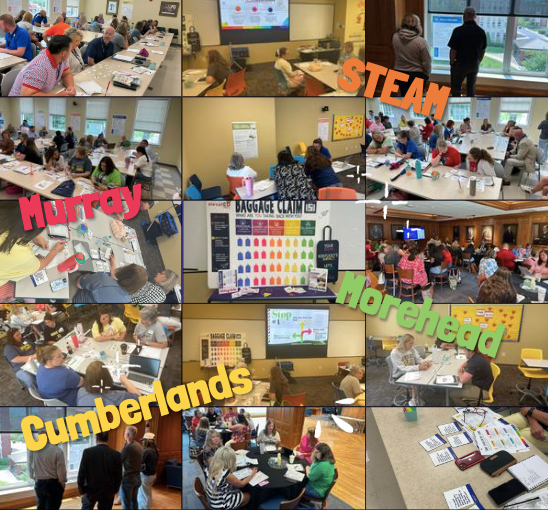
Vibrant learning doesn’t stop at the classroom door. It grows in the spaces where teachers gather, plan, and learn together. If we want students to experience curiosity, creativity, and agency, then our educators, and the coaches who support them need those same sparks in their own learning. This week, we’re spotlighting districts who are turning coaching into a living model of what we want for every learner.


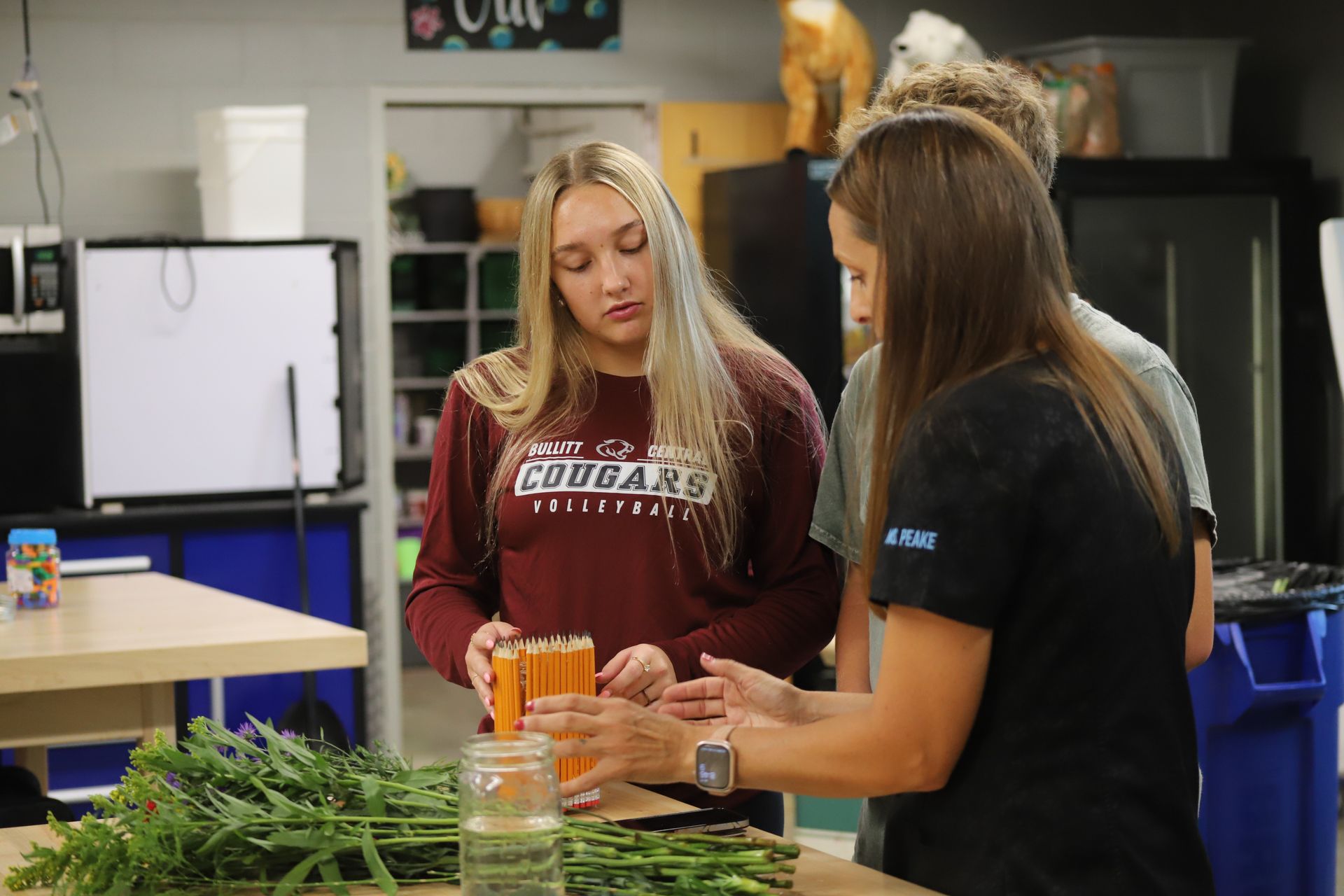
Bullitt County Public Schools is building a culture where coaching thrives. Each month, instructional coaches gather not just for logistics, but for learning- diving into authentic practices aligned to their Graduate Profile while cultivating genuine community. From exploring design for real-world learning to keeping joyful traditions alive (like embedding holiday celebrations into meetings), Bullitt’s coaches model what it means to blend purpose, connection, and culture.


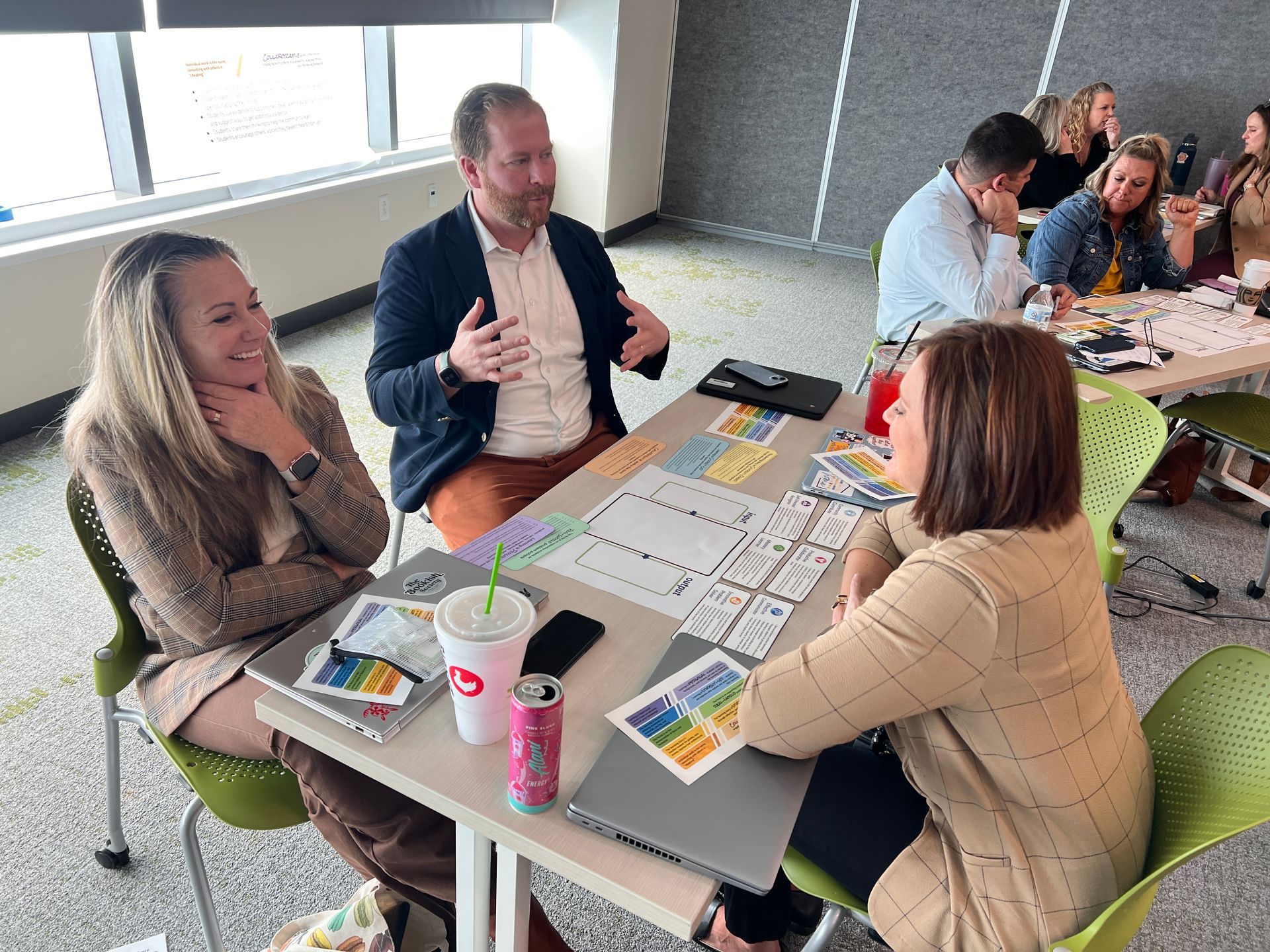
Allen County Schools is investing in leadership that learns together. Across the year, school and district leaders, including coaches and principals partnered with our team to strengthen the conditions for vibrant learning. Together, they experienced immersive lessons, unpacked the Transformations framework, and used protocols like the Bullseye Idea to explore how system-level supports empower teachers to “hit the mark.” Through this process, teams mapped the unique conditions, structures, and supports surrounding their instructional model, ensuring that what happens across the system mirrors the vibrant, learner-centered experiences they want in every classroom.


By investing in the learning of our leaders, we’re not just strengthening instruction, we’re nurturing a culture where curiosity, reflection, and growth flow in every direction. That’s what parallel pedagogy looks like in action: when the way we teach, learn, and lead all move together toward something more vibrant.


Bullseye Idea: 

A strategy to help systems and schools align what they value with what they do.


In Allen County, leaders didn’t just study their instructional model, they stepped inside it. During their partnership sessions, they used the Bullseye Idea to explore how system-level supports empower educators to “hit the mark.” Together, they mapped the unique conditions, teacher supports, and district structures that bring vibrant learning to life, revealing where alignment was strong and where new possibilities could grow.


The Bullseye Idea helps teams see how the system itself can model the very Transformations we want for students: coherence, creativity, and agency. It’s a simple visual strategy that sparks deep conversations about how we teach, lead, and learn together.


✈️ Explore the Bullseye Tool Here


Want to experience this kind of alignment firsthand? Join us November 5 for Coaching for Vibrant Learning (9am–3pm) a day designed to refill your cup and reimagine what coaching can do when it’s rooted in vibrancy.


Your Fall Learning Flight Plan

 ✈️ November 5 – COACHING FOR VIBRANT LEARNING (9am–3pm)


COACHES + BUILDING & DISTRICT LEADERS: 


You spend your days feeding others…but who’s feeding you? This session is your refill. We will spend the day exploring: 

  • What’s fueling, and draining, your current coaching cycles
  • What kind of nourishment those you serve might need
  • How to create low-lift, high-impact moves that energize both you and your team

🔗 sign up here


 ✈️ November 12 – KDE: Designing Local Accountability Systems (9am–12pm)


DISTRICT + SCHOOL LEADERS, TEACHERS, AND COACHES:


Ready to reimagine what accountability can look like when it’s locally designed and learning-centered? Join us to explore:

  • What “success” truly means for your students, schools, and district
  • How to design vibrant learning experiences that demonstrate growth
  • Ways to build a community-owned system that reflects your local story

This interactive session co-hosted by the KDE Division of Innovation and UK Next Gen, features the new KDE Local Accountability Design Guide & Toolkit.

🔗 sign up here.             

🔗 Flyer


✈️ December 9 – Designing Defenses of Learning (9am–3pm)


COACHES + BUILDING & DISTRICT LEADERS: 


Whether you’re launching defenses for the first time or ready to reimagine the ones you have, this session is your design lab. We’ll spend the day exploring:

  • What makes a defense truly learner-centered
  • How to design prompts, artifacts, and reflection arcs that spotlight growth
  • Ways to bring students, staff, and the community into the experience

You’ll leave with a defense model that’s bold, doable, and ready to showcase the strengths and journeys of your learners.

🔗 sign up here


By Lacey Eckels April 2, 2026
Schools have named durable skills like communication and collaboration, but struggle to teach them intentionally. Schools that succeed make skills visible, embed them into daily learning, and apply them in real-world contexts. The core message is clear: durable skills are built through intentional, everyday design.
By Lacey Eckels March 17, 2026
What does it look like when a student’s Defense of Learning truly embodies a district’s Profile of a Learner? This 11-year-old’s compelling TED-style talk offers a powerful example. The format might not be what many of us expect in a traditional defense, yet the Portrait competencies are unmistakably present. Communication is evident in his pacing, tone, eye contact, and ability to connect with the audience. Collaboration surfaces as he references mentors and teammates who shaped his journey. Critical thinking appears in the way he interprets experiences and draws lessons from them. Problem-solving emerges through stories of obstacles, setbacks, and growth. The competencies aren’t listed on a slide. They are visible in the delivery. From Sorting Evidence to Synthesizing Growth Many student defenses are structured competency by competency: “Here is my artifact. Here is how it shows I am an effective communicator.” This approach provides clarity and helpful scaffolding, especially as districts begin Portrait work. Over time, however, the structure can unintentionally shift the focus from growth to compliance. The TED-style defense offers a different approach. Instead of sorting artifacts into categories, the student synthesized experiences into a cohesive narrative. He reflected on meaningful moments, described growth over time, connected experiences to identity, and communicated his story clearly to an authentic audience. Rather than organizing artifacts, he was articulating who he is becoming. A Design Question for Leaders What if the defense itself became the demonstration of Profile competencies?  In other words, what if the most powerful defenses were those in which students embody communication, critical thinking, collaboration, and problem-solving through the way they share their learning—making the competencies visible in action, not just in explanation?
By Lacey Eckels March 3, 2026
Start with purpose when designing Defenses of Learning. Discover how clarity transforms these experiences from compliance-driven tasks into meaningful opportunities for student reflection, growth, and authentic demonstration of learning.
Show More
By Lacey Eckels April 2, 2026
Schools have named durable skills like communication and collaboration, but struggle to teach them intentionally. Schools that succeed make skills visible, embed them into daily learning, and apply them in real-world contexts. The core message is clear: durable skills are built through intentional, everyday design.
By Lacey Eckels March 17, 2026
What does it look like when a student’s Defense of Learning truly embodies a district’s Profile of a Learner? This 11-year-old’s compelling TED-style talk offers a powerful example. The format might not be what many of us expect in a traditional defense, yet the Portrait competencies are unmistakably present. Communication is evident in his pacing, tone, eye contact, and ability to connect with the audience. Collaboration surfaces as he references mentors and teammates who shaped his journey. Critical thinking appears in the way he interprets experiences and draws lessons from them. Problem-solving emerges through stories of obstacles, setbacks, and growth. The competencies aren’t listed on a slide. They are visible in the delivery. From Sorting Evidence to Synthesizing Growth Many student defenses are structured competency by competency: “Here is my artifact. Here is how it shows I am an effective communicator.” This approach provides clarity and helpful scaffolding, especially as districts begin Portrait work. Over time, however, the structure can unintentionally shift the focus from growth to compliance. The TED-style defense offers a different approach. Instead of sorting artifacts into categories, the student synthesized experiences into a cohesive narrative. He reflected on meaningful moments, described growth over time, connected experiences to identity, and communicated his story clearly to an authentic audience. Rather than organizing artifacts, he was articulating who he is becoming. A Design Question for Leaders What if the defense itself became the demonstration of Profile competencies?  In other words, what if the most powerful defenses were those in which students embody communication, critical thinking, collaboration, and problem-solving through the way they share their learning—making the competencies visible in action, not just in explanation?
By Lacey Eckels March 3, 2026
Start with purpose when designing Defenses of Learning. Discover how clarity transforms these experiences from compliance-driven tasks into meaningful opportunities for student reflection, growth, and authentic demonstration of learning.
Show More


Share this article