


September 8, 2025

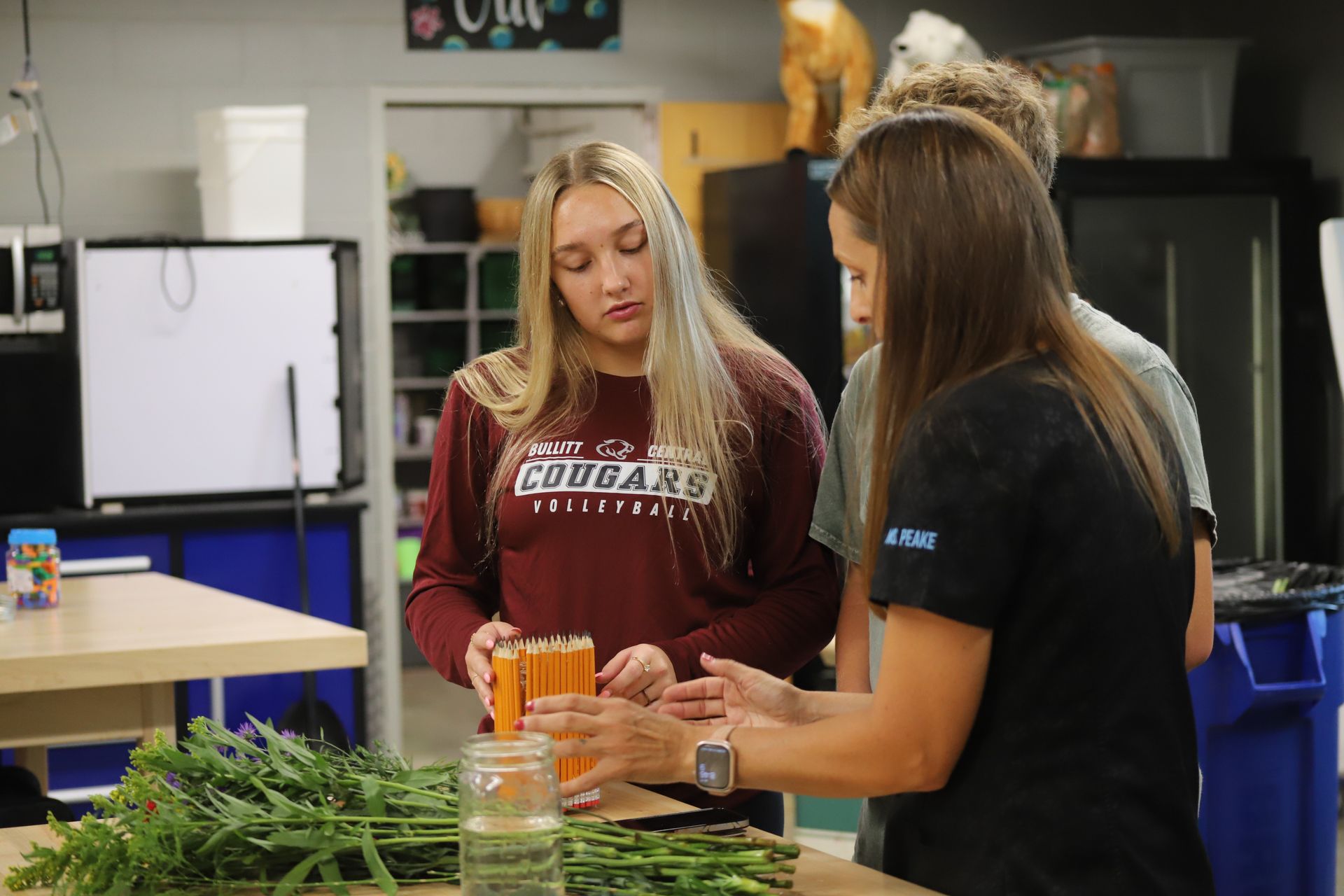
Elevating Authentic Learning at Bullitt Central

Elevating Authentic Learning at Bullitt Central

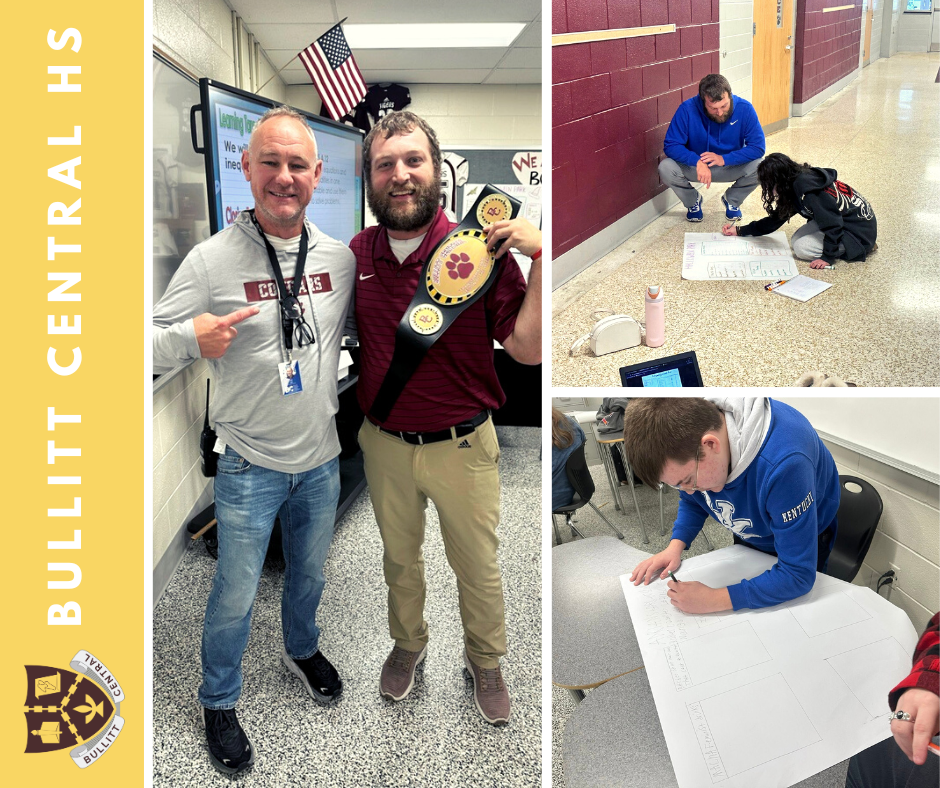
When Algebra II turns into amusement-park design, magic happens.


At Bullitt Central High School, Mr. Jackson’s students used matrices to create food stands and gift shops for an imaginary park, tailoring designs to their own interests. His creativity earned him the school’s Transformational Lesson of the Week—complete with a championship belt.


Behind the fun is something bigger: a leadership team committed to making vibrant, what Bullitt County refers to as ‘transformational’, learning the norm. Bullitt Central’s Transformational Learning Leadership Team is building a culture where lessons like this aren’t one-offs but everyday practice. By elevating teachers and students in visible ways, they’re:

  • showing the community what authentic, transformational learning looks like,
  • celebrating innovation as a team value, not just an individual win,
  • creating momentum that spreads across classrooms and subjects.


The belt is playful, but the message is serious: when leadership lifts up vibrant learning, it becomes part of school culture.


Visiting Classrooms with Fresh Eyes

At Bullitt Central, a championship belt lifted up the kind of learning we want more of. How else might we ensure these kind of learning experiences are the norm? One answer: classroom visits designed not for compliance, but for celebration and noticing.


This week we’re sharing a preview from our Field Guide for Transformational Learning Observations. One of the tools inside, Transformation Bingo, turns a learning walk into a playful way to spot the five Transformations in action. Instead of filling out a checklist, you’re filling in squares with the moments that matter: a student asking a powerful question, peers pushing each other’s thinking, or a teacher making real-world connections come alive.


Just like we empower students with choice, this guide empowers educators to choose how they observe, reflect, and celebrate. If you’d like to bring the full tool to life in your school or district, we’d love to partner- whether that means customizing it for your building, planning a site visit with your educators, or co-designing a learning walk with your leadership team. Reach out, and let’s keep elevating and celebrating the kind of learning that deserves the spotlight.


Classroom observations are just one tool instructional leaders have to fuel authentic learning experiences. Join us November 5 as we explore tools and moves for Coaching for Vibrant Learning. See details in What's on Deck!


Your Fall Learning Flight Plan

CALLING ALL LEADERS WITH A PORTRAIT OF A LEARNER!


✈️September 22 – The Learner/Graduate Profile Playbook (9am–3pm)


A profile on paper isn’t enough—it’s time to make it real. This full-day, high-energy session is built for principals, coaches, educators and leadership teams who are ready to turn words into action and equip their teachers to bring collaboration + communication to life for their learners in everyday experiences.

🔗 sign up here sign up here 
 

DISTRICT LEADERS: READY TO REWRITE YOUR STORY OF SUCCESS?


✈️ September 29 – Local Accountability Cohort Kickoff (9am–12pm)


Current systems only tell part of the picture—and it’s time for more. This cohort is designed for superintendents, district teams, and leaders who are ready to move beyond compliance and shape a richer narrative of learning. 

🔗 sign up here


COACHES + INSTRUCTIONAL LEADERS: THIS ONE’S FOR YOU.


✈️ November 5 – Coaching for Vibrant Learning (9am–3pm)


Why settle for coaching that feels like compliance? This day is built for instructional coaches, team leads, and anyone who supports teachers—giving you the tools and energy to make coaching joyful, impactful, and impossible to ignore.

🔗 sign up here


By Lacey Eckels April 2, 2026
Schools have named durable skills like communication and collaboration, but struggle to teach them intentionally. Schools that succeed make skills visible, embed them into daily learning, and apply them in real-world contexts. The core message is clear: durable skills are built through intentional, everyday design.
By Lacey Eckels March 17, 2026
What does it look like when a student’s Defense of Learning truly embodies a district’s Profile of a Learner? This 11-year-old’s compelling TED-style talk offers a powerful example. The format might not be what many of us expect in a traditional defense, yet the Portrait competencies are unmistakably present. Communication is evident in his pacing, tone, eye contact, and ability to connect with the audience. Collaboration surfaces as he references mentors and teammates who shaped his journey. Critical thinking appears in the way he interprets experiences and draws lessons from them. Problem-solving emerges through stories of obstacles, setbacks, and growth. The competencies aren’t listed on a slide. They are visible in the delivery. From Sorting Evidence to Synthesizing Growth Many student defenses are structured competency by competency: “Here is my artifact. Here is how it shows I am an effective communicator.” This approach provides clarity and helpful scaffolding, especially as districts begin Portrait work. Over time, however, the structure can unintentionally shift the focus from growth to compliance. The TED-style defense offers a different approach. Instead of sorting artifacts into categories, the student synthesized experiences into a cohesive narrative. He reflected on meaningful moments, described growth over time, connected experiences to identity, and communicated his story clearly to an authentic audience. Rather than organizing artifacts, he was articulating who he is becoming. A Design Question for Leaders What if the defense itself became the demonstration of Profile competencies?  In other words, what if the most powerful defenses were those in which students embody communication, critical thinking, collaboration, and problem-solving through the way they share their learning—making the competencies visible in action, not just in explanation?
By Lacey Eckels March 3, 2026
Start with purpose when designing Defenses of Learning. Discover how clarity transforms these experiences from compliance-driven tasks into meaningful opportunities for student reflection, growth, and authentic demonstration of learning.
Show More
By Lacey Eckels April 2, 2026
Schools have named durable skills like communication and collaboration, but struggle to teach them intentionally. Schools that succeed make skills visible, embed them into daily learning, and apply them in real-world contexts. The core message is clear: durable skills are built through intentional, everyday design.
By Lacey Eckels March 17, 2026
What does it look like when a student’s Defense of Learning truly embodies a district’s Profile of a Learner? This 11-year-old’s compelling TED-style talk offers a powerful example. The format might not be what many of us expect in a traditional defense, yet the Portrait competencies are unmistakably present. Communication is evident in his pacing, tone, eye contact, and ability to connect with the audience. Collaboration surfaces as he references mentors and teammates who shaped his journey. Critical thinking appears in the way he interprets experiences and draws lessons from them. Problem-solving emerges through stories of obstacles, setbacks, and growth. The competencies aren’t listed on a slide. They are visible in the delivery. From Sorting Evidence to Synthesizing Growth Many student defenses are structured competency by competency: “Here is my artifact. Here is how it shows I am an effective communicator.” This approach provides clarity and helpful scaffolding, especially as districts begin Portrait work. Over time, however, the structure can unintentionally shift the focus from growth to compliance. The TED-style defense offers a different approach. Instead of sorting artifacts into categories, the student synthesized experiences into a cohesive narrative. He reflected on meaningful moments, described growth over time, connected experiences to identity, and communicated his story clearly to an authentic audience. Rather than organizing artifacts, he was articulating who he is becoming. A Design Question for Leaders What if the defense itself became the demonstration of Profile competencies?  In other words, what if the most powerful defenses were those in which students embody communication, critical thinking, collaboration, and problem-solving through the way they share their learning—making the competencies visible in action, not just in explanation?
By Lacey Eckels March 3, 2026
Start with purpose when designing Defenses of Learning. Discover how clarity transforms these experiences from compliance-driven tasks into meaningful opportunities for student reflection, growth, and authentic demonstration of learning.
Show More


Share this article