
September 29, 2025

Snapshots of Collaboration & Communication

Snapshots of Collaboration & Communication

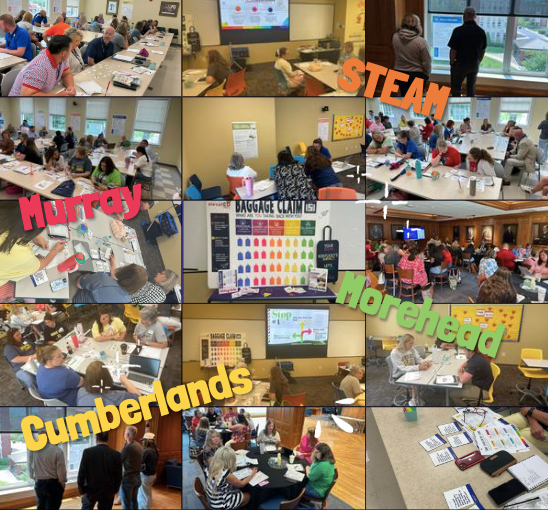
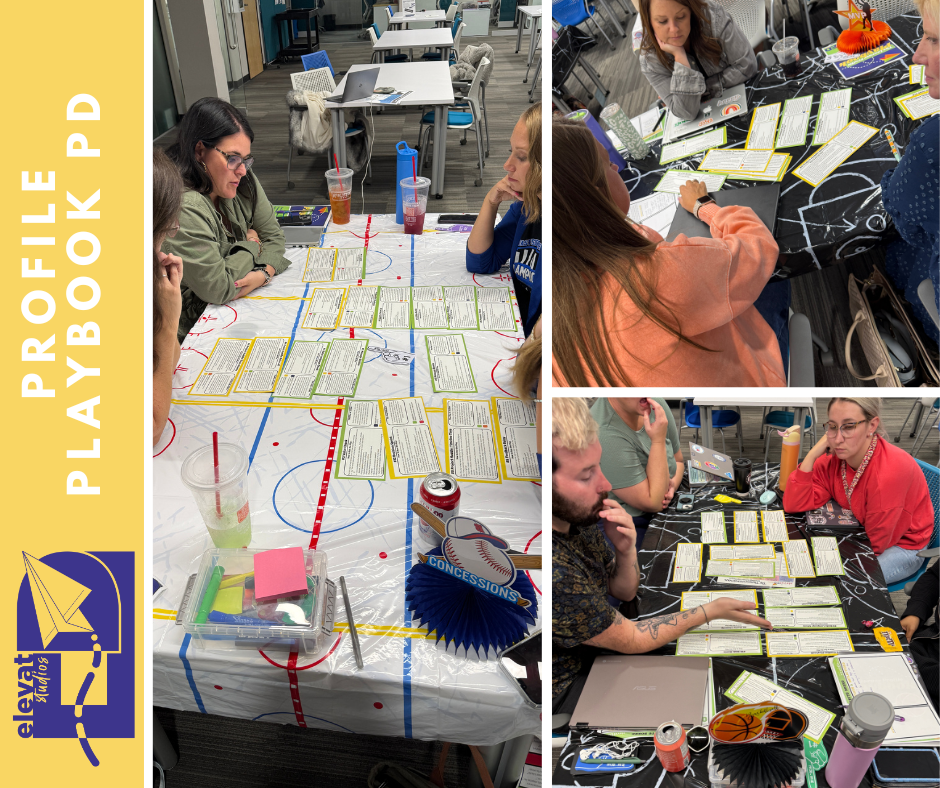
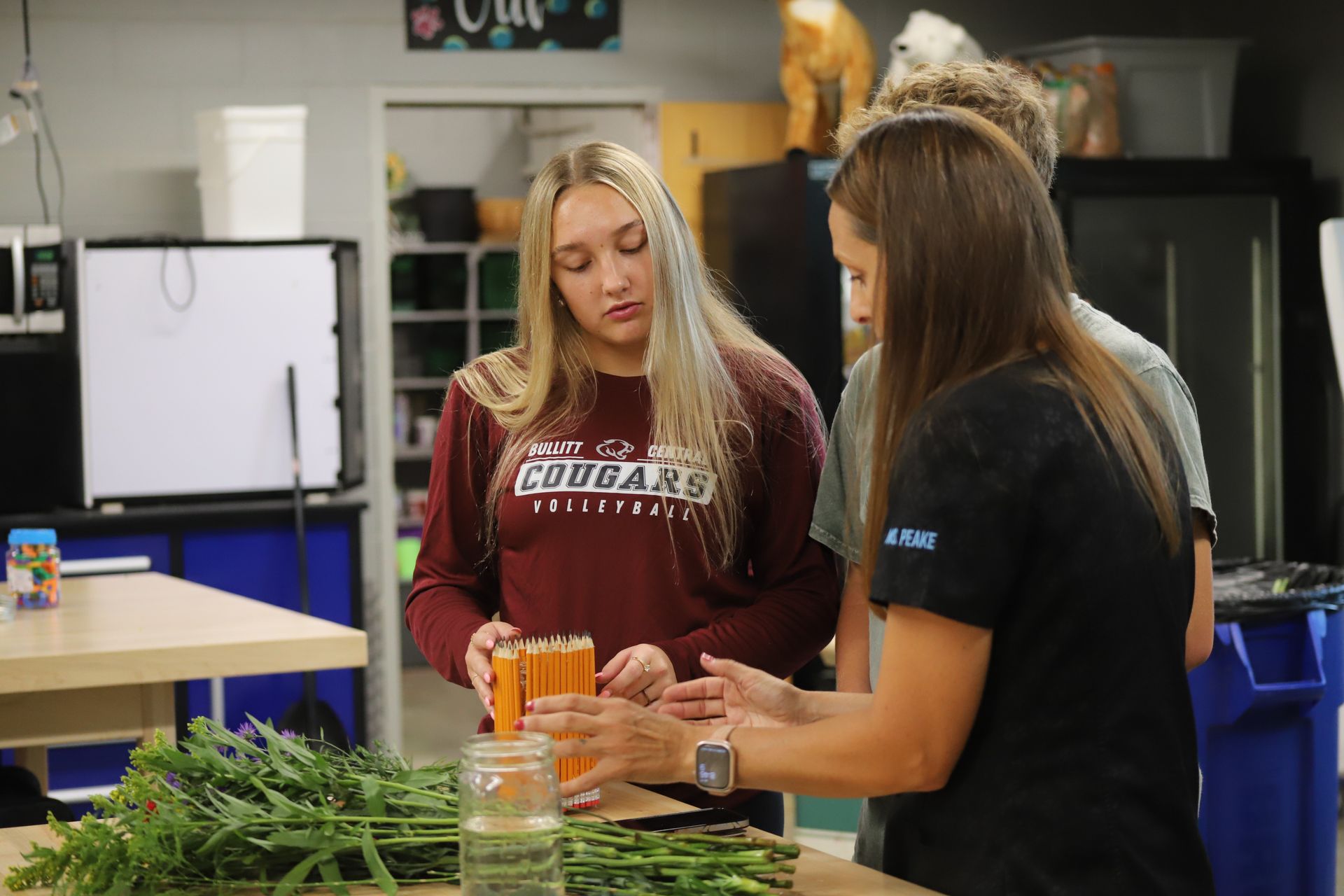
Last week, educators from across the region came together to explore one big question: What does it really mean to bring the Profile of a Learner to life? In a full-day design session, teachers, coaches, and leaders dug into the Learner Profile Playbook, unlocking practical tools and strategies to make communication and collaboration daily habits in the classroom .


Through hands-on mini-lessons, rapid-fire design sprints, and vibrant team huddles, participants experienced the Playbook from the learner’s perspective. They wrestled with real “tough calls” educators face every day, like how to honor different communication styles without labeling them “less than,” or how to make collaboration energizing instead of exhausting . By stepping into the plays themselves, educators didn’t just hear about strategies, they practiced them, reflected, and imagined how they could adapt them for their own classrooms.


The day closed with a collective sense of momentum: a toolkit of ready-to-run plays, a deeper understanding of the Transformations that anchor learner-centered design, and a renewed commitment to shaping student experiences that are personal, collaborative, learner-led, real-world, and learner-owned . 


Plays that Stick

During our Learner Profile Playbook PD, one challenge kept surfacing: students often have powerful ideas, but without the right structures, those ideas get lost, either in scattered collaboration or unclear communication. To tackle this, we turned to two strategies from the Playbook that help learners launch with clarity, whether they’re working as a team or crafting a message.


Project Huddle: Goal Check

Every strong project begins with clarity. Goal Check helps teams pause at the start of any collaboration to answer one essential question: What are we trying to accomplish together? By co-creating a one-sentence “By the end of this project, we will…” statement, learners align their efforts and establish a shared north star . 

✈️ Explore the full Project Huddle: Goal Check play.


Message Distiller

Big ideas lose power if they can’t be expressed clearly. Message Distiller teaches learners to boil down their thinking by running it through three lenses: What’s the big idea? Why should it matter? Can I say it in one clear sentence? The result is sharper, more memorable communication, whether in a pitch, PSA, or presentation . 

✈️ Explore the full Message Distiller play.


This preview is only the beginning. If you would like to bring these tools and others to life in your district, school, PLC, or team we would love to partner with you to co-design a session that fits your needs.


Your Fall Learning Flight Plan

COACHES + INSTRUCTIONAL LEADERS: 


✈️ November 5 – Coaching for Vibrant Learning (9am–3pm)


Why settle for coaching that feels like compliance? This day is built for instructional coaches, team leads, and anyone who supports teachers—giving you the tools and energy to make coaching joyful, impactful, and impossible to ignore.

🔗 sign up here


COACHES + BUILDING & DISTRICT LEADERS: 


✈️ December 9 – Designing Defenses of Learning (9am–3pm)


Whether your school is launching defenses for the first time or ready to reimagine the ones you have, this day is for you. Together we’ll design (or redesign) defenses of learning that center growth, reflection, and student voice. Through inspiring examples and a collaborative design sprint, you’ll leave with a model ready to showcase the strengths and journeys of your learners.

🔗 sign up here


By Lacey Eckels April 2, 2026
Schools have named durable skills like communication and collaboration, but struggle to teach them intentionally. Schools that succeed make skills visible, embed them into daily learning, and apply them in real-world contexts. The core message is clear: durable skills are built through intentional, everyday design.
By Lacey Eckels March 17, 2026
What does it look like when a student’s Defense of Learning truly embodies a district’s Profile of a Learner? This 11-year-old’s compelling TED-style talk offers a powerful example. The format might not be what many of us expect in a traditional defense, yet the Portrait competencies are unmistakably present. Communication is evident in his pacing, tone, eye contact, and ability to connect with the audience. Collaboration surfaces as he references mentors and teammates who shaped his journey. Critical thinking appears in the way he interprets experiences and draws lessons from them. Problem-solving emerges through stories of obstacles, setbacks, and growth. The competencies aren’t listed on a slide. They are visible in the delivery. From Sorting Evidence to Synthesizing Growth Many student defenses are structured competency by competency: “Here is my artifact. Here is how it shows I am an effective communicator.” This approach provides clarity and helpful scaffolding, especially as districts begin Portrait work. Over time, however, the structure can unintentionally shift the focus from growth to compliance. The TED-style defense offers a different approach. Instead of sorting artifacts into categories, the student synthesized experiences into a cohesive narrative. He reflected on meaningful moments, described growth over time, connected experiences to identity, and communicated his story clearly to an authentic audience. Rather than organizing artifacts, he was articulating who he is becoming. A Design Question for Leaders What if the defense itself became the demonstration of Profile competencies?  In other words, what if the most powerful defenses were those in which students embody communication, critical thinking, collaboration, and problem-solving through the way they share their learning—making the competencies visible in action, not just in explanation?
By Lacey Eckels March 3, 2026
Start with purpose when designing Defenses of Learning. Discover how clarity transforms these experiences from compliance-driven tasks into meaningful opportunities for student reflection, growth, and authentic demonstration of learning.
Show More
By Lacey Eckels April 2, 2026
Schools have named durable skills like communication and collaboration, but struggle to teach them intentionally. Schools that succeed make skills visible, embed them into daily learning, and apply them in real-world contexts. The core message is clear: durable skills are built through intentional, everyday design.
By Lacey Eckels March 17, 2026
What does it look like when a student’s Defense of Learning truly embodies a district’s Profile of a Learner? This 11-year-old’s compelling TED-style talk offers a powerful example. The format might not be what many of us expect in a traditional defense, yet the Portrait competencies are unmistakably present. Communication is evident in his pacing, tone, eye contact, and ability to connect with the audience. Collaboration surfaces as he references mentors and teammates who shaped his journey. Critical thinking appears in the way he interprets experiences and draws lessons from them. Problem-solving emerges through stories of obstacles, setbacks, and growth. The competencies aren’t listed on a slide. They are visible in the delivery. From Sorting Evidence to Synthesizing Growth Many student defenses are structured competency by competency: “Here is my artifact. Here is how it shows I am an effective communicator.” This approach provides clarity and helpful scaffolding, especially as districts begin Portrait work. Over time, however, the structure can unintentionally shift the focus from growth to compliance. The TED-style defense offers a different approach. Instead of sorting artifacts into categories, the student synthesized experiences into a cohesive narrative. He reflected on meaningful moments, described growth over time, connected experiences to identity, and communicated his story clearly to an authentic audience. Rather than organizing artifacts, he was articulating who he is becoming. A Design Question for Leaders What if the defense itself became the demonstration of Profile competencies?  In other words, what if the most powerful defenses were those in which students embody communication, critical thinking, collaboration, and problem-solving through the way they share their learning—making the competencies visible in action, not just in explanation?
By Lacey Eckels March 3, 2026
Start with purpose when designing Defenses of Learning. Discover how clarity transforms these experiences from compliance-driven tasks into meaningful opportunities for student reflection, growth, and authentic demonstration of learning.
Show More


Share this article